Humanitarian Engineering and Science (Thesis)
Master of Science
Delivery Options
 Campus
Deadlines
Fall
International: March 1 (Priority: December 15)
Domestic: June 1 (Priority: December 15)
Spring
International: October 1
Domestic: November 1
Department
Program Overview
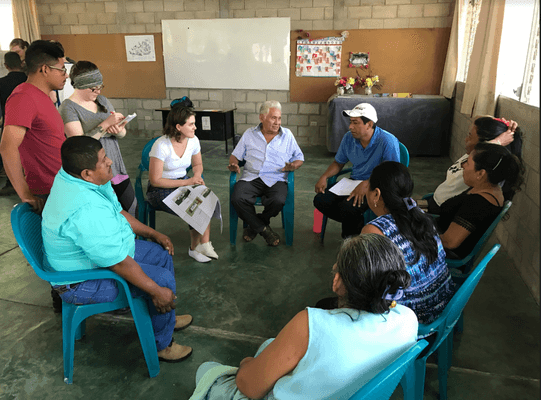
The Master of Science in Humanitarian Engineering and Science (HES) at Colorado School of Mines is an interdisciplinary, sociotechnical graduate program for engineers and scientists who want to work alongside communities to address complex social, environmental and technical challenges. Humanitarian engineering starts with a different question: Who defines the problem?
Rather than designing solutions for communities, HES students learn to work with communities to understand challenges, identify priorities and co-create solutions that reflect local knowledge, resources, cultures and goals. You’ll develop the skills to navigate the realities that shape whether an engineering solution is appropriate, sustainable, and effective.
Through 30 credits of graduate-level coursework, you’ll learn to bring engineering and social science perspectives together to address challenges related to mining, infrastructure, environmental sustainability, water, risk mitigation for natural disasters, and more. At Mines, humanitarian engineering is more than applying engineering to “help” others. It is about rethinking how engineering problems are defined, who gets to define them, and how engineers and scientists work with communities to create meaningful change.
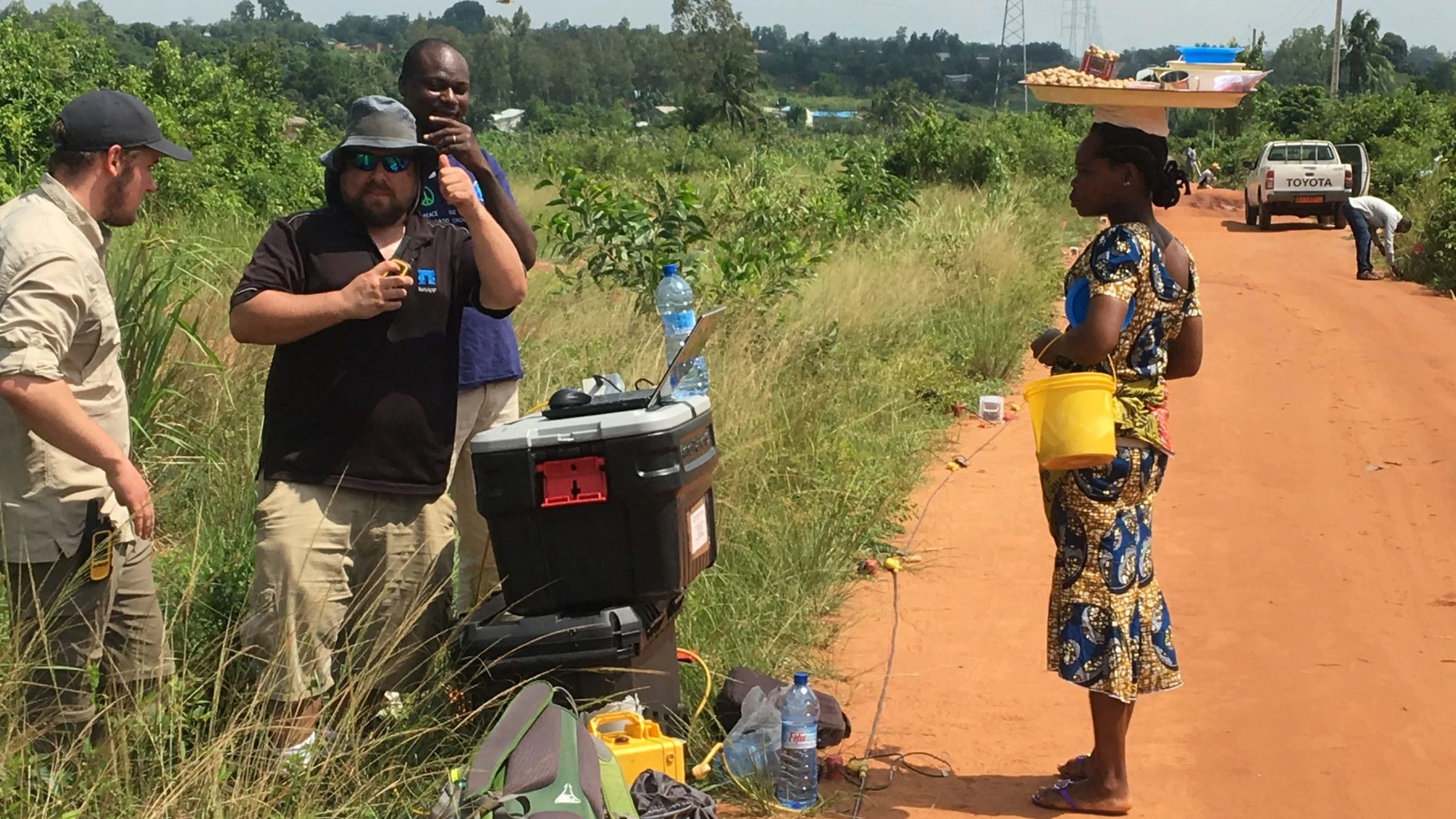
Past thesis research has explored a range of humanitarian engineering topics, including equity-focused data and user-centered design in earthquake emergency management; sociotechnical approaches to e-waste management in Latin America, examining risks, perceptions, interventions, and educational opportunities; and community-based engineering practices in Colombian artisanal and small-scale gold mining, with a focus on understanding the social dimensions of sociotechnical work through rapid assessment methods in educational and field-based research.
Program Details
Interested in pursuing research in humanitarian engineering? The thesis pathway allows students to investigate a focused research question with guidance from a Colorado School of Mines HES faculty advisor.
Because the thesis option requires a committed faculty advisor, prospective students should identify and connect with faculty whose research aligns with their interests. Only applicants who have secured a faculty advisor’s commitment will be considered for admission to the thesis pathway.
Not sure which pathway is right for you? We recommend applying to the non-thesis option first. After starting the program, you can explore research opportunities, connect with faculty, and determine whether a thesis aligns with your interests and goals. All students admitted to the non-thesis pathway may explore the possibility of transitioning to the thesis pathway, subject to securing a faculty advisor and meeting program requirements.
It is important to note that thesis and non-thesis students begin the program with the same core curriculum and learning experience. The degree pathways remain largely aligned throughout the program, with the primary distinction occurring at the culmination of the degree, when students either complete a faculty-supervised research thesis or participate in a professional practicum experience.
Program Opportunities
Track Options:
Choose a track that connects your existing interests and expertise with community-centered problem solving.
Data Science (5 courses)
- Data-informed approaches to complex humanitarian and community challenges
Environmental Engineering (5 courses)
- Water, sanitation, environmental health, remediation and sustainability
Geological Engineering (5 courses)
- Water resources, geologic hazards, natural resources, community resilience and emergency management
Geophysics (5 courses)
- Groundwater, natural hazards, environmental monitoring, agriculture and cultural heritage
Robotics (5 courses)
- Human-robot collaboration, remote sensing, disaster response and the social and ethical dimensions of robotics
Interdisciplinary (5 courses)
- Build a customized technical focus with your advisor around your interests and career goals.
Meet Our Faculty Experts
Meet three instructors with real-world experience in humanitarian contexts and community-based research. View all Engineering Design & Society faculty

Samantha Temple
Interim Director, Humanitarian Engineering & Science Graduate Program, McBride Adjunct Faculty

Elizabeth Reddy
Assistant Professor

Juan Lucena
Professor-DIR
Application Requirements
-
Bachelor's degree
-
GRE: Not Required
-
Letters of Recommendation (3 Letters)
-
Resume or Curriculum Vitae (CV)
-
Statement of Purpose
-
Transcripts
-
International students please review the English proficiency requirements.
Program Curriculum
View Academic CatalogSalary Outlook
Median salary for recent program graduates is $80,000. Learn more about Mines' comprehensive career development resources and this degree's salary potential.
Employers who seek Mines graduates include
Nonprofit and nongovernmental organizations
Such as Engineers Without Borders, Mercy Corps, International Rescue Committee, World Vision, Catholic Relief Services
Engineering and consulting firms
Companies such as AECOM, Jacobs, WSP, Arup, HDR
Government and public sector
Such as U.S. Agency for International Development, Peace Corps, Centers for Disease Control and Prevention, U.S. Army Corps of Engineers, State and local government agencies
International development and research organizations
Such as World Bank, United Nations Development Programme, International Organization for Migration, RTI International, Abt Associates
Social impact and technology organizations
Such as IDE, Dimagi, Acumen, TechnoServe, Development Innovation Ventures
Frequently Asked Questions
What is the value of a master’s degree in humanitarian engineering and science?
This degree prepares you to apply technical skills in complex, real-world contexts where engineering solutions must align with human needs, institutions and long-term use.
What advances are shaping this field right now?
Several key advances are shaping this field right now. There is a growing use of systems thinking in project design, along with a stronger emphasis on data-informed evaluation. The field is also seeing closer integration of engineering with policy and economics, as well as a continued focus on long-term performance and community adoption.
What career opportunities will I have with this graduate degree?
Graduates pursue roles such as humanitarian engineer, project manager, technical advisor, research analyst or consultant. Many work with nonprofits, consulting firms, government agencies or continue to doctoral programs.
What industries and sectors hire individuals with this degree?
Sectors include engineering consulting, international development, public agencies, nonprofit organizations, applied research and social impact enterprises.
What types of research are common in this program?
Research topics often include infrastructure systems, water and sanitation, health-related technologies, project evaluation, policy analysis and applied engineering design in community settings.
Featured Alumni

Meet Mateo Rojas, MS '23

Related News
Research & Innovation