

Design Engineering
Bachelor of Science
Fall 2027 Deadline
Priority: November 1
Regular: January 15
Late: April 1
Transfer (international): April 1
Transfer (domestic): May 1
Department
Why Design Engineering?
The challenges engineers face today are increasingly complex, interconnected and shaped by the people and contexts in which solutions are used. Addressing these challenges requires more than technical expertise. It requires engineers who can think across systems, understand human needs, navigate competing requirements and connect ideas across disciplines. Design engineers bring these perspectives together, using engineering knowledge, design and an understanding of people and society to frame the right problems and create solutions that are technically sound, thoughtful and responsive to the world around them.
Program Overview
The Bachelor of Science in Design Engineering from Mines is an ABET-accredited engineering degree that combines engineering rigor, design and an understanding of people and society. You will build a strong foundation in math, science and engineering while learning to apply that knowledge through a human-centered, systems-oriented approach to problem-solving.
Our flexible, interdisciplinary curriculum gives you room to explore your interests while developing depth in areas such as robotics, sustainable systems, product design and aerospace. Through coursework and hands-on projects, you will learn to balance technical requirements with human needs, environmental considerations and real-world constraints.
Across the major, you will learn by doing: exploring open-ended questions, engaging with people and real-world contexts, building and testing ideas, and using evidence to make decisions and improve your designs. You will move between hands-on making, technical analysis, research and collaboration as you learn to navigate uncertainty and turn early ideas into solutions that are both technically sound and responsive to the people and contexts they serve.
Program Focus
Design Engineering prepares you to approach engineering challenges from three connected perspectives: engineering, design and society. Through Mines’ hands-on, interdisciplinary learning environment, you will combine technical engineering knowledge with design methods and an understanding of human, social, environmental and ethical contexts. You will learn to navigate ambiguity, work across disciplines and develop solutions that balance technical performance with the needs of the people and systems they serve.
This integrated approach prepares you to contribute to a wide range of fields and roles, from product and technology development to aerospace, robotics, sustainable systems, biomechanics and infrastructure. Whether you are designing a new product, developing an emerging technology or improving an existing system, you will bring the ability to understand complex contexts, collaborate with diverse teams and turn ideas into thoughtful, technically sound solutions.
Your Design Engineering education will prepare you to adapt your engineering and design skills to new challenges and opportunities throughout your career.
Program Design and Options
Design Engineering is built around the idea that complex engineering problems rarely fit neatly within a single discipline. The curriculum brings together engineering, design and societal perspectives, giving students opportunities to work across disciplines while developing the technical foundation needed to create solutions that work. Students learn to move between technical analysis, hands-on design, research and collaboration as they tackle increasingly complex, open-ended problems.
Experiential Learning
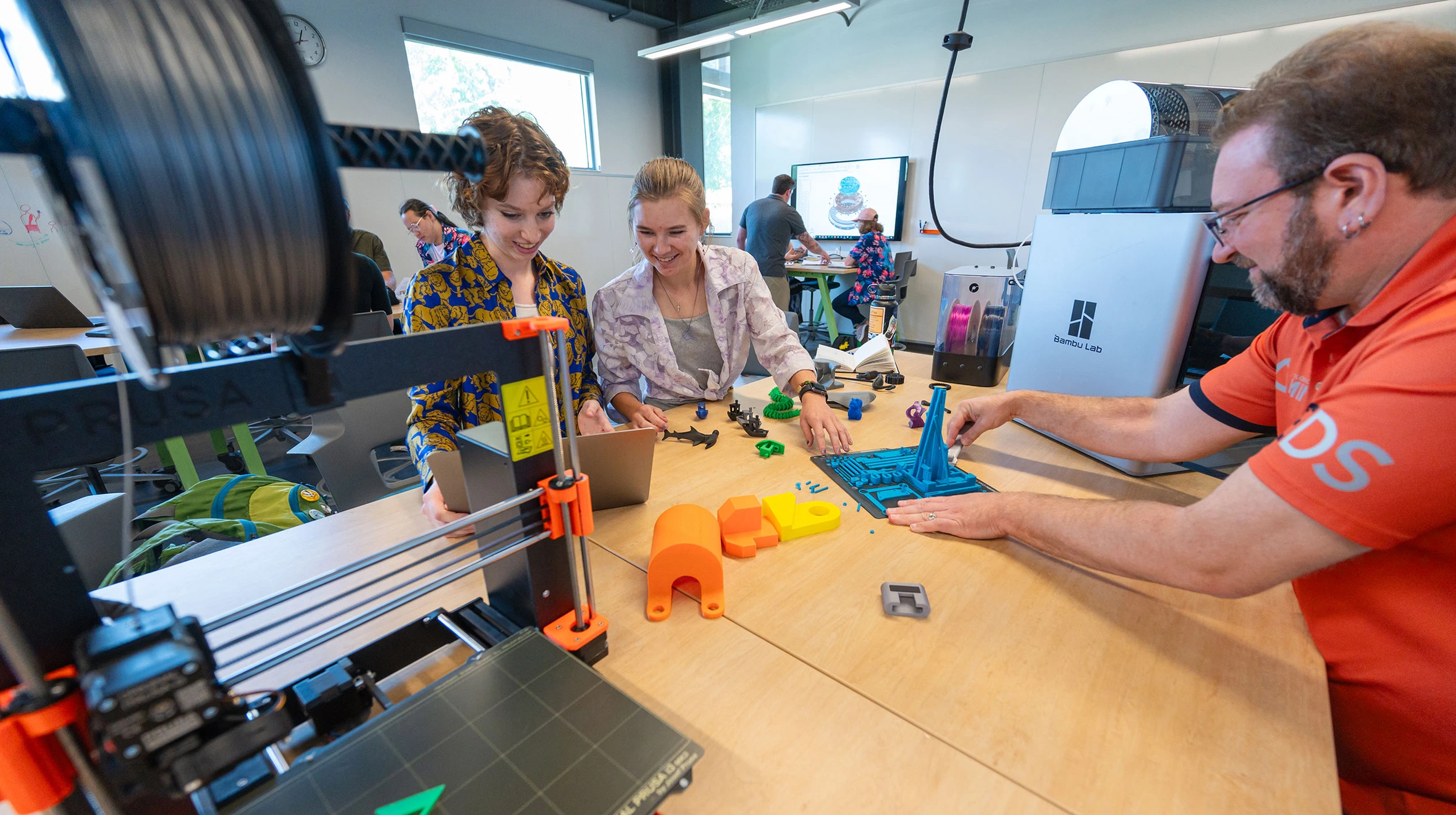
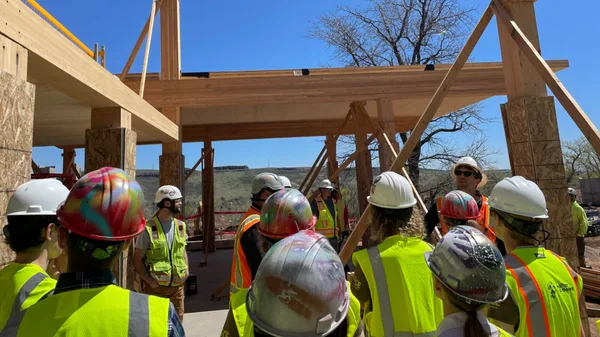
Design Engineering students design early and often. Hands-on, project-based learning is woven throughout the major, giving students opportunities to work with real-world problems, collaborate across disciplines, engage with stakeholders, build and test ideas, and use evidence to refine their designs. Through these experiences, students learn how to navigate ambiguity, balance competing requirements and connect technical decisions to the people and systems affected by them.
Flexible Degree Options
The Design Engineering curriculum gives students flexibility to develop depth in areas that align with their interests and career goals. Through engineering and thematic electives, students can explore areas such as robotics, biomedical design, sustainable systems, product design, automation and aerospace, or build a course of study around another area of interest. This flexibility allows students to shape their Design Engineering education while maintaining a strong engineering foundation and the interdisciplinary perspective that defines the major.
Program Opportunities
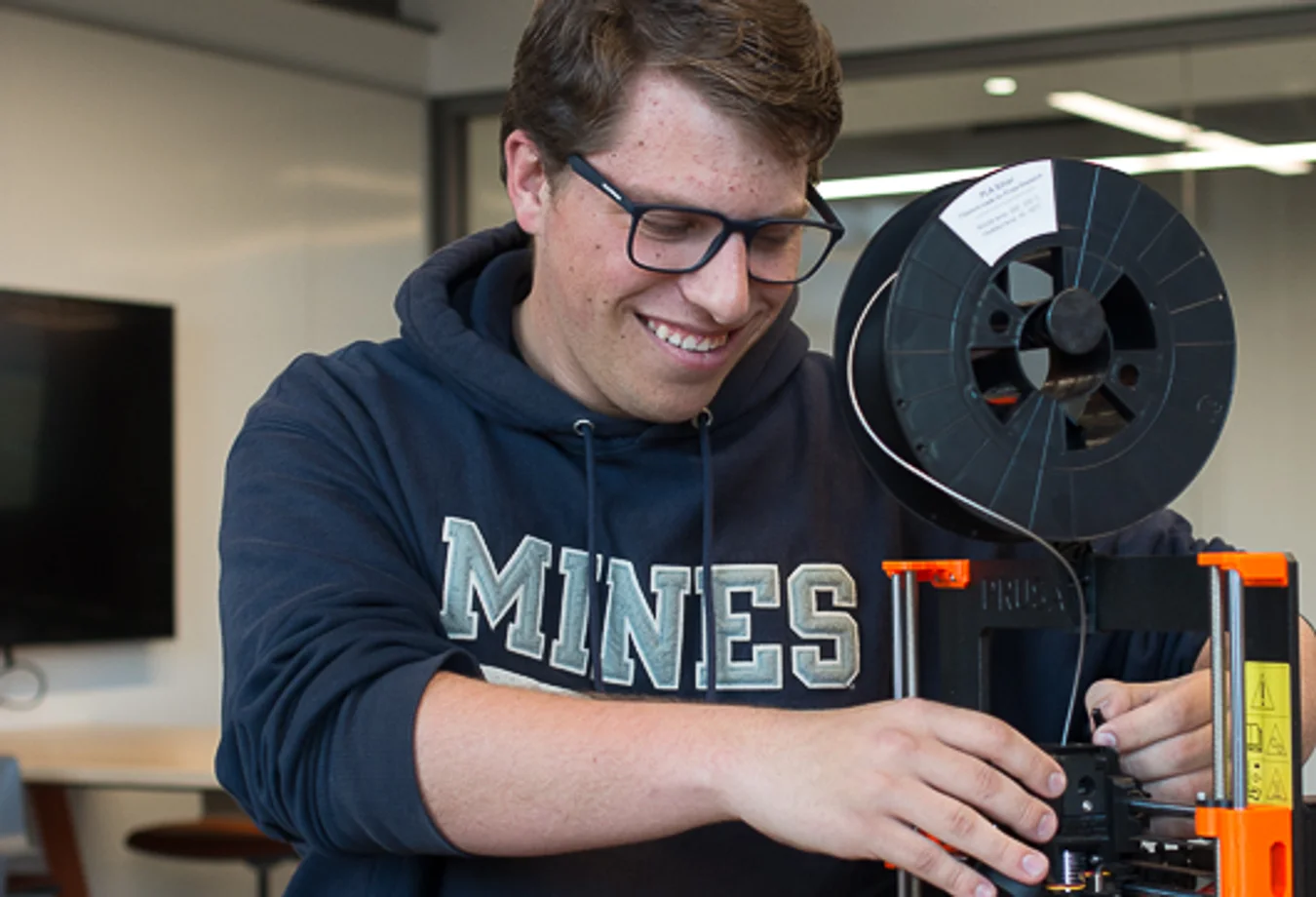
Design Engineering students bring different interests, strengths and technical perspectives to collaborative project work, approaching complex problems from multiple angles.
In Design Studio coursework, students work directly with stakeholders and users throughout the design process, learning to ask questions, gather feedback and use those insights to shape their designs. Projects have included developing rural electric vehicle infrastructure, integrating mechanical and electrical systems for animatronics, redesigning products to be more accessible and creating more sustainable and inclusive environments.
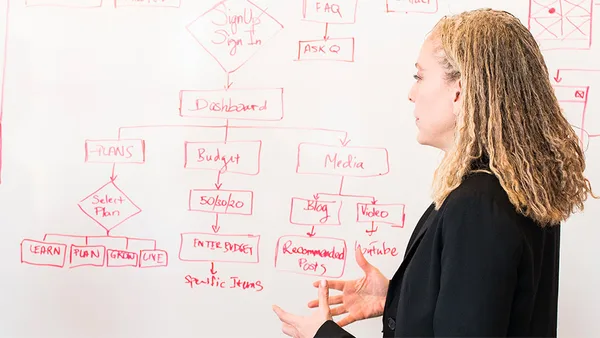
As they move from early concepts to tested solutions, students may develop physical prototypes, digital wireframes and app designs, software systems models, research papers and other project deliverables. In Senior Capstone Design, Design Engineering students typically join multidisciplinary teams alongside students from other engineering majors, contributing their design perspective to projects that address real-world challenges.
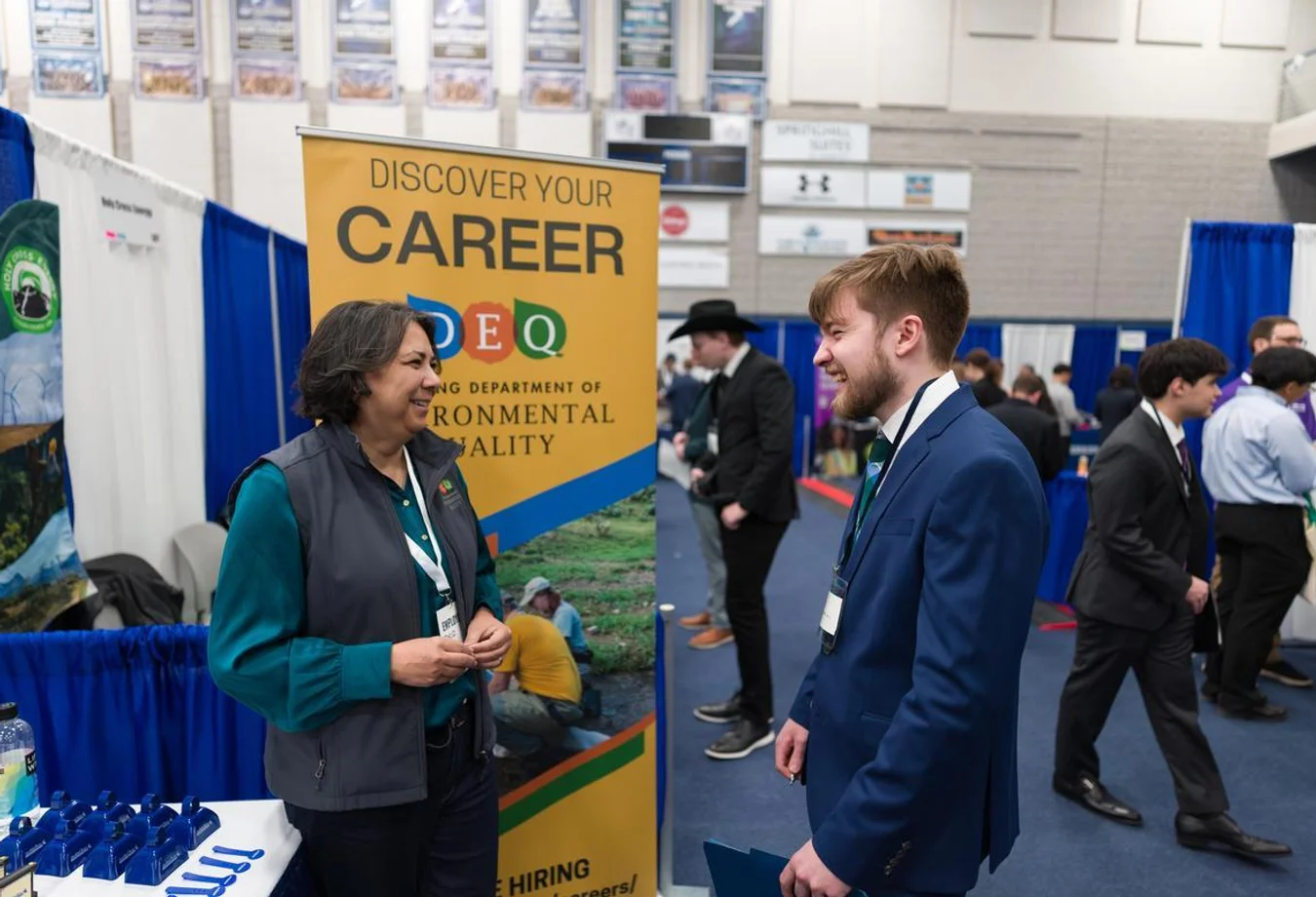
Design Engineering students often complete one or two internships during their time at Mines, with opportunities ranging from national laboratories and sustainable building consulting firms to entertainment, technology, biomechanics and prosthetic design. Students have interned with organizations such as Idaho National Laboratory and Disney Imagineering, gaining experience in roles including Systems Analyst, Product and Experience Designer, Patent Engineer, Civil Engineer, Mechanical Design Engineer, Traffic EIT and Project Manager.
Students begin building a professional portfolio in their first Design Engineering course and continue developing it throughout the major, creating a valuable tool for showcasing projects, technical skills and unique strengths to prospective employers. Many students are invited to return for additional internships, extend their experience into the academic year or continue with the organization as full-time employees.
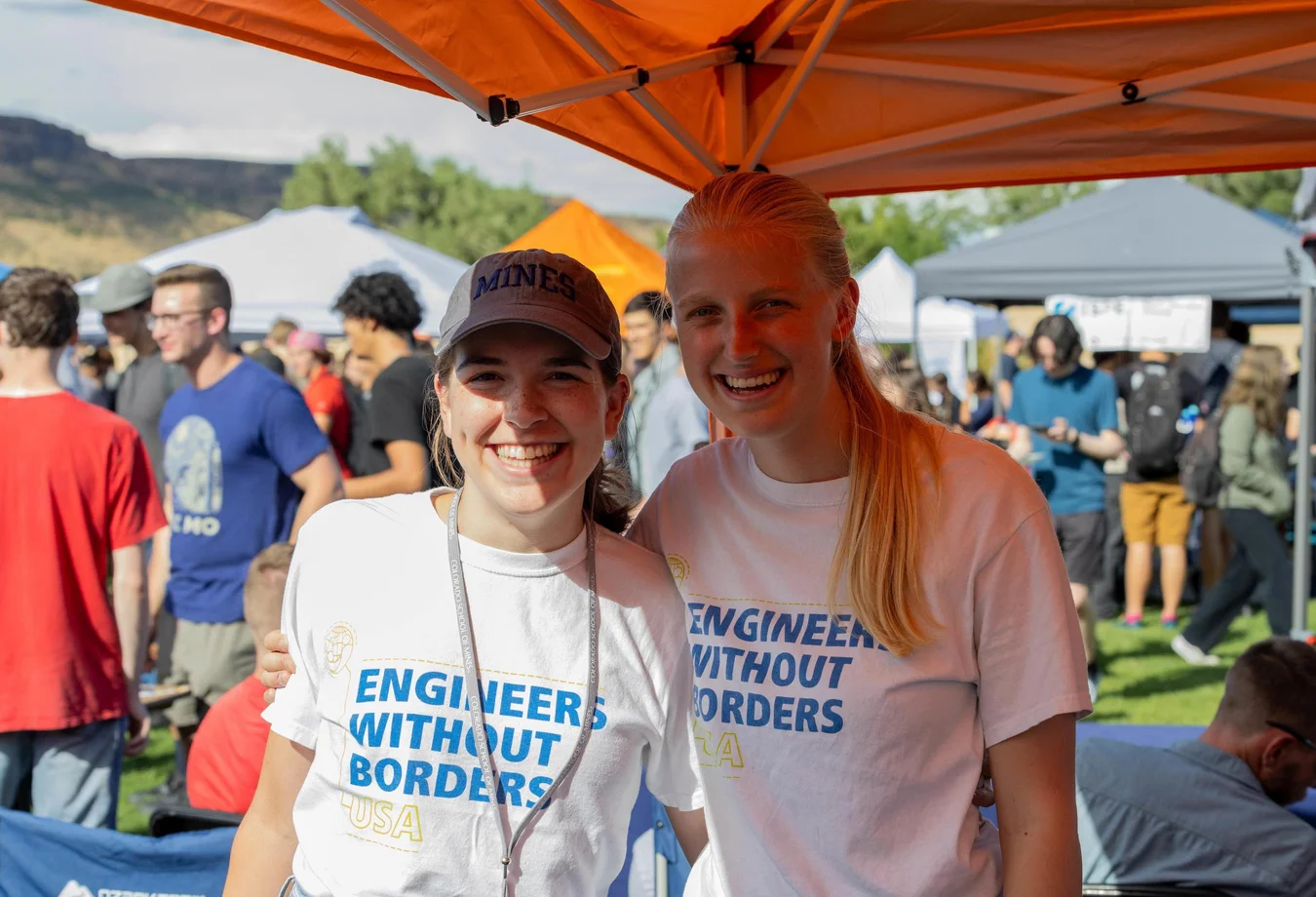
Design Engineering students bring their interdisciplinary perspective to student organizations and design teams across Mines. Opportunities include Mines Without Borders, The Maker Society, Theme Park Engineering Design Club, Robotics Club and Mines Sustainable Fashion Club.
These organizations provide additional opportunities to design and build, collaborate with students from different disciplines, explore new interests and apply engineering skills beyond the classroom.
Salaries and Career Outlook
Program Curriculum
View Academic CatalogMeet Our Faculty Experts
Learn from faculty experts who solve complex challenges and shape the future of their field through cutting-edge research and expert mentorship. View all Engineering Design & Society faculty

Chelsea Salinas
Director and Teaching Professor

Michael Sheppard
Teaching Associate Professor

Aubrey Wigner
Teaching Associate Professor
World-Class Labs, Centers and Facilities
Mines supports immersive, hands-on education through creative and technical exploration in cutting-edge facilities.
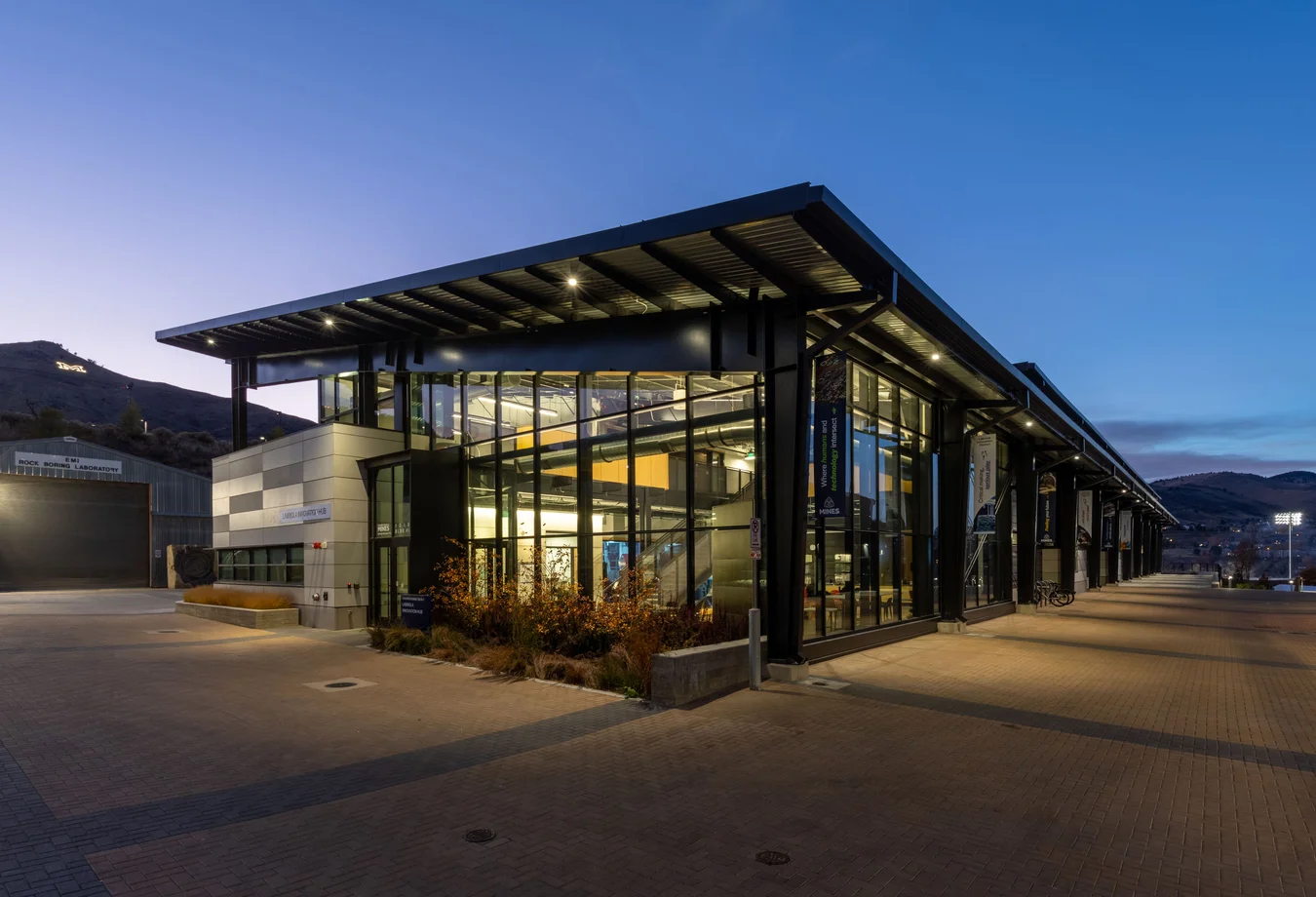
The Labriola Innovation Hub – or InnoHub for short – provides a dynamic environment that combines hands-on education, project support, access to tools and collaboration space where students can try new things, regardless of experience level or motivation
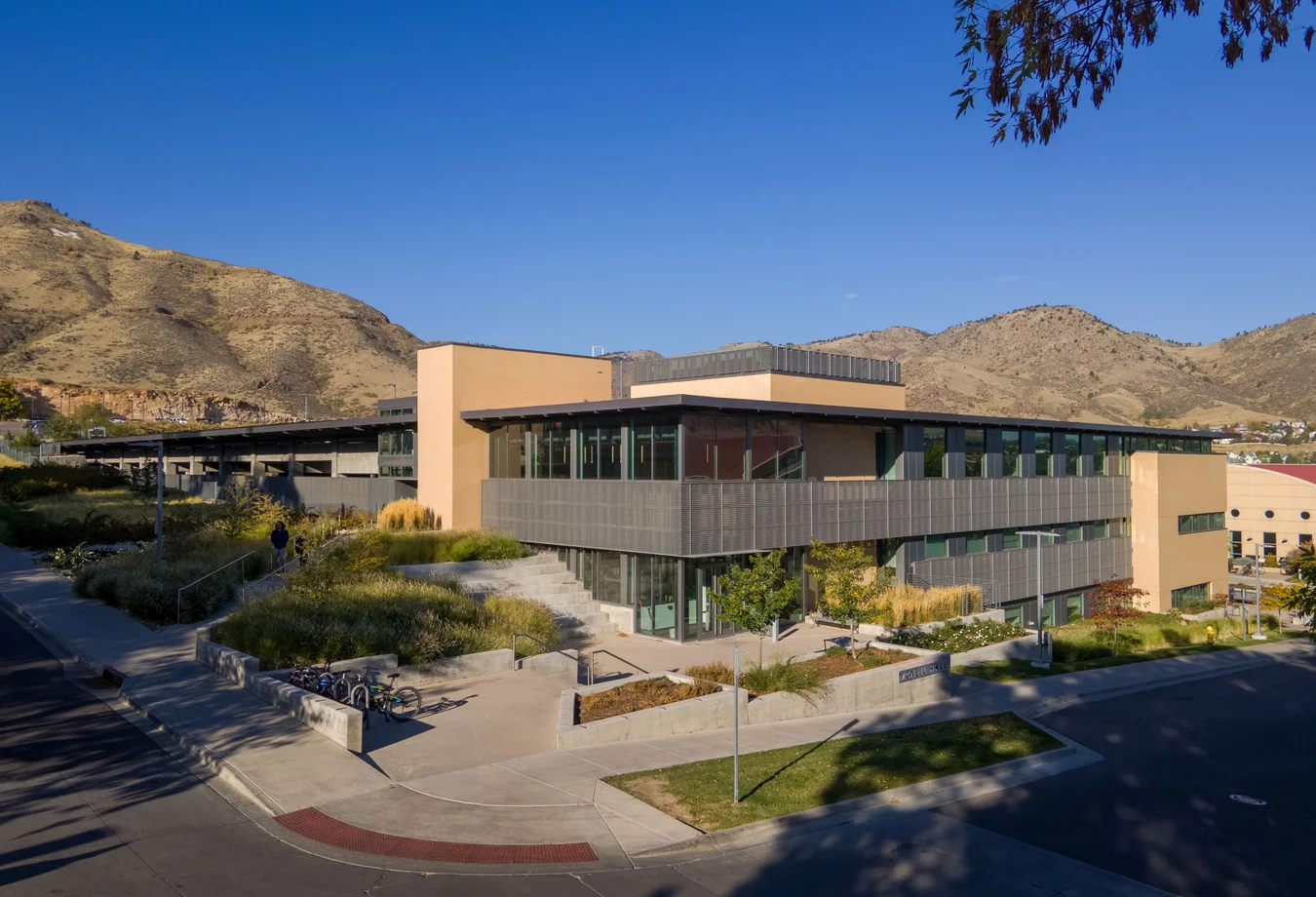
The McNeil Center for Entrepreneurship and Innovation offers credit-bearing courses, extracurricular competitions and more to foster the entrepreneurial mindset and equip students with the necessary skills to bring their ideas to life.
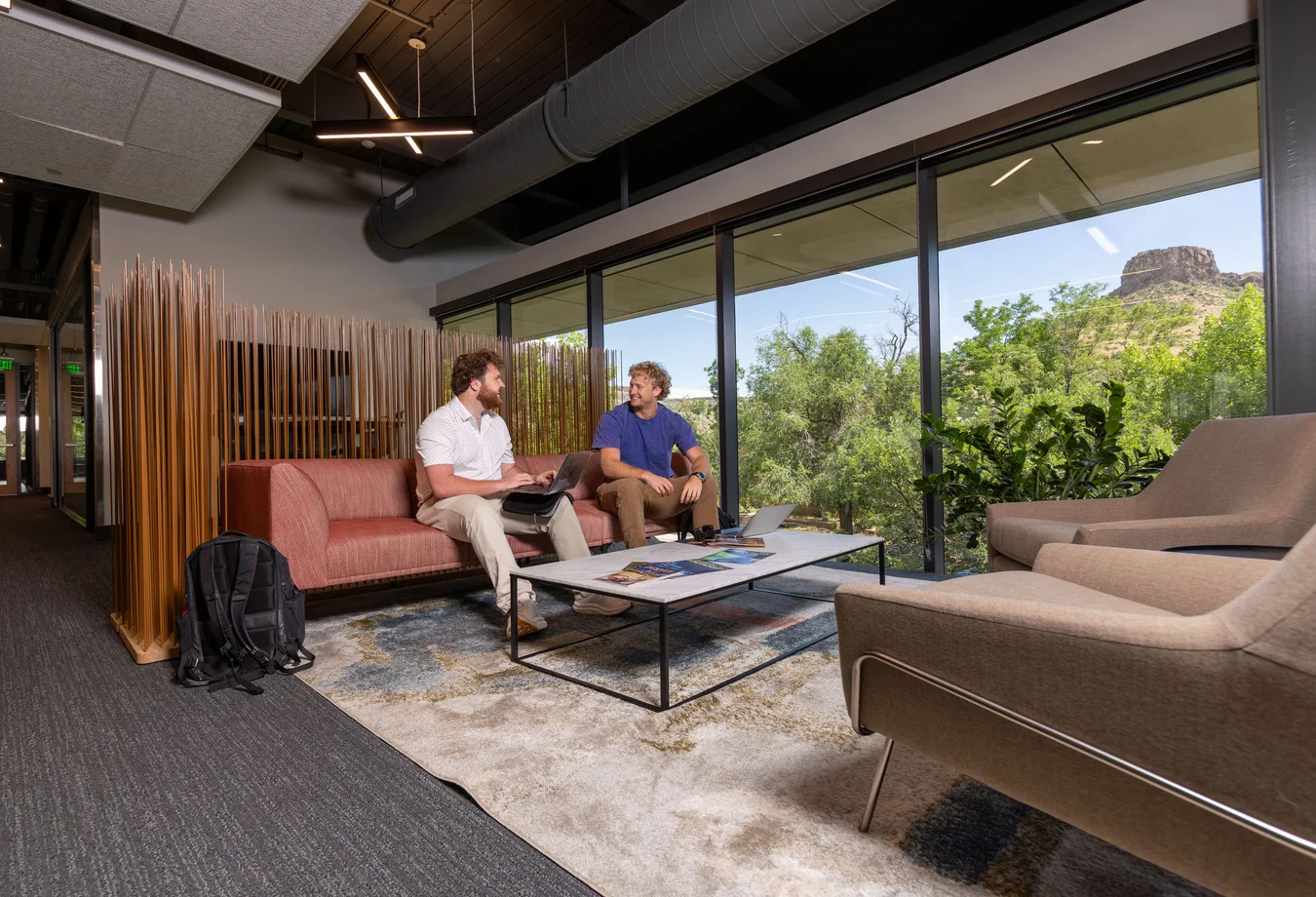
The Beck Venture Center provides programs, services and events for Orediggers looking to launch their first startup, accelerate a growing venture, raise capital or just plug into a thriving network of founders and innovators.
Frequently Asked Questions
What is design engineering?
Design engineering is the discipline that combines creativity, technical analysis and systems thinking to develop innovative products, processes and technologies that solve real-world problems. It integrates principles from mechanical, electrical, materials and systems engineering with design methodologies and human-centered thinking.
Design engineers are inventors and problem-solvers — they translate ideas into functional, efficient and sustainable solutions, from advanced medical devices and autonomous vehicles to renewable energy systems and consumer products.
What are the most interesting advances and technologies shaping the field of design engineering?
Design engineering is being transformed by digital tools, intelligent systems and sustainable design principles.
Key advances include:
- Additive Manufacturing (3D Printing): Enabling rapid prototyping and lightweight, custom components across aerospace, medical and industrial sectors.
- Generative Design and AI-Assisted Modeling: Using algorithms to explore thousands of design options for optimal performance and sustainability.
- Digital Twins and Virtual Prototyping: Creating real-time digital replicas of systems to simulate, test and improve designs before physical production.
- Smart Materials and Embedded Systems: Integrating sensors, actuators and adaptive materials for responsive and intelligent products.
- Human-Centered and Inclusive Design: Applying ergonomic and cognitive insights to create safer, more accessible technologies.
- Sustainable and Circular Design: Engineering products and systems for energy efficiency, recyclability and minimal environmental impact.
These innovations are reshaping how engineers imagine, test and deliver solutions — bridging creativity with cutting-edge technology.
What career options will I have with a degree in design engineering?
A degree in design engineering prepares you for a dynamic range of careers that merge technical expertise with innovation and leadership. Graduates often pursue roles such as:
- Design engineer or product development engineer
- Mechanical or systems design specialist
- Prototyping and manufacturing engineer
- Human factors or ergonomics engineer
- Sustainability or life-cycle design consultant
- R&D engineer in advanced materials or robotics
- Innovation manager or engineering project lead
- Entrepreneur or startup founder developing new technologies or products
Many professionals work at the intersection of engineering, design and entrepreneurship — driving innovation across industries and shaping the next generation of products and systems.
What industries hire graduates with a degree in design engineering?
Design engineers are employed across virtually all technology-driven sectors, including:
- Aerospace and automotive design
- Consumer electronics and product development
- Medical devices and healthcare technology
- Renewable energy systems and clean-tech innovation
- Robotics and automation
- Industrial equipment and manufacturing
- Architecture, construction and sustainable infrastructure
- Defense, transportation and mobility systems
Because design engineers think both creatively and analytically, they play key roles in innovation-focused organizations, design consultancies and advanced R&D teams worldwide.
What are the current research directions in design engineering?
Research in design engineering is advancing how products and systems are conceived, optimized and integrated into society. Leading research areas include:
- Computational design and generative AI for engineering
- Human–machine collaboration and augmented design tools
- Sustainable product systems and circular economy models
- Robotics, automation and intelligent manufacturing
- Design for resilience, safety and accessibility
- Materials innovation and adaptive design technologies
- Complex systems design and interdisciplinary co-creation
These directions reflect a broader shift in engineering — toward more intelligent, adaptive and sustainable systems that respond to human needs and planetary challenges.
Featured Alumni

Meet Carly Oliver ’22, Design Engineering
I learned a lot during my design courses. I was able to learn hands-on skills in modeling and building, as well as systems thinking and research skills. Employers enjoyed hearing about my well-rounded coursework and how I was able to directly apply my skills learned in projects both inside and outside of the classroom.
Related News
Oredigger Experience
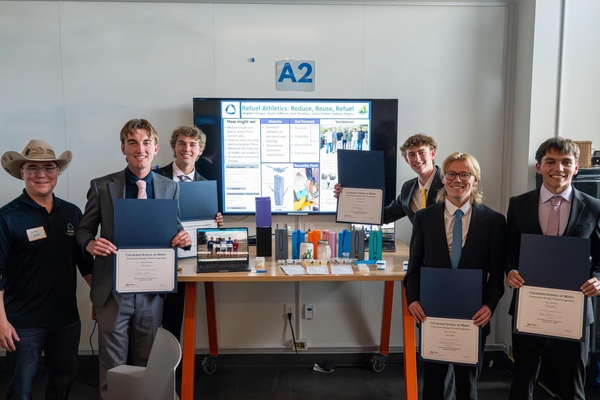
Cornerstone Design teams use design engineering to revamp everyday systems
Oredigger Experience
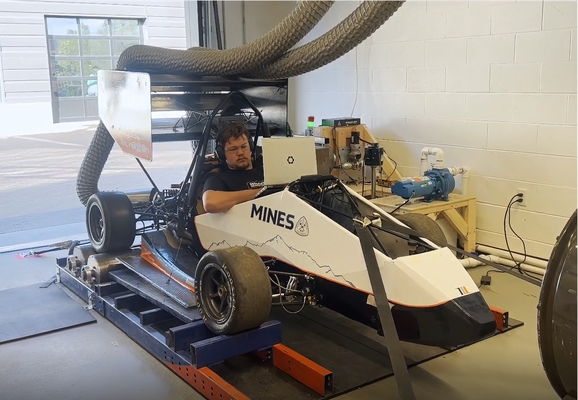
Vehicle performance testing system wins top honors at Spring 2026 Capstone Showcase

Research & Innovation