Article content
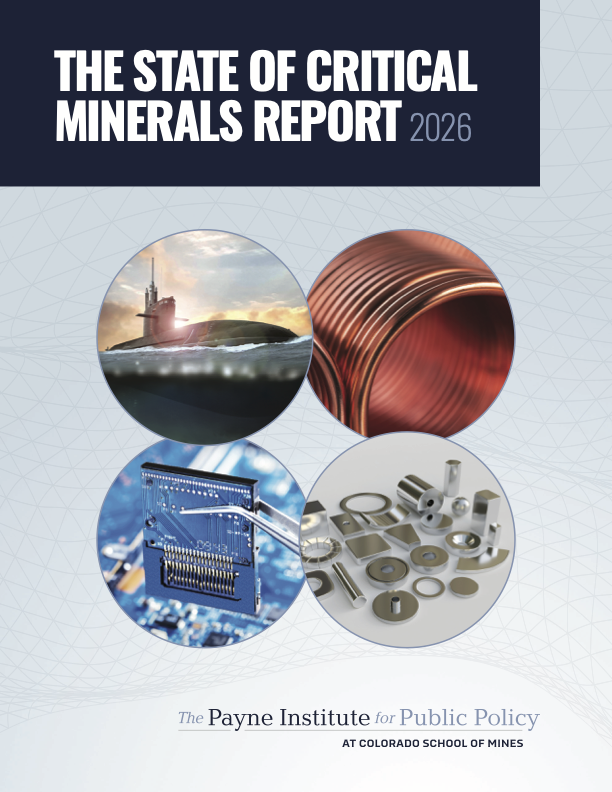
The Payne Institute for Public Policy at Colorado School of Mines’ new report, The State of Critical Minerals Report 2026, highlights the fundamental and growing role of U.S and allied governments in ensuring success on critical minerals security.
The new report, released today, accompanies the Payne Institute’s annual Critical Minerals Symposium and several high-level side events being held on the Mines campus Sept. 23-25. Setting a record, more than 600 attendees are expected this year.
Governments are increasingly positioning to help industry develop new supply chains for the dozens of critical minerals that underpin modern militaries and economies. The Payne report discusses six steps that can ensure this development is anchored in the needs of the United States and optimized to reflect geopolitical interests and resource and economic efficiency.
Key Recommendations in the 2026 Report
- Have the U.S. Military adopt a “prelogistics” planning framework: Connect operational requirements and wargaming planning to industrial and mineral dependencies.
- Invest in supply chains, not projects: Identify chokepoints in key supply chains that will need public support to ensure availability, security and resilience.
- Support rebuilding the mining workforce: Invest in workforce education, training and apprenticeships needed to re-shore the critical minerals supply chain.
- Think regionally and invest in enabling energy infrastructure: Bolster multi-lateral, bilateral, and regional approaches to critical minerals development.
- Nurture market trading in critical minerals: Support efforts to create an organized, transparent marketplace for buying and selling critical minerals and their refined products.
- Facilitate recovery from waste streams: Augment industry capacity and incentives to recover the critical minerals embedded in our nation’s wastes. .
“There is now widespread understanding of the urgent need to bolster the resilience of our supply chains for dozens of minerals that are critical to defend our country and grow a modern economy,” said Morgan Bazilian, director of the Payne Institute. “Government is helping in several ways, like planning for and securing demand, growing the workforce, working with our allies and nurturing investment.”
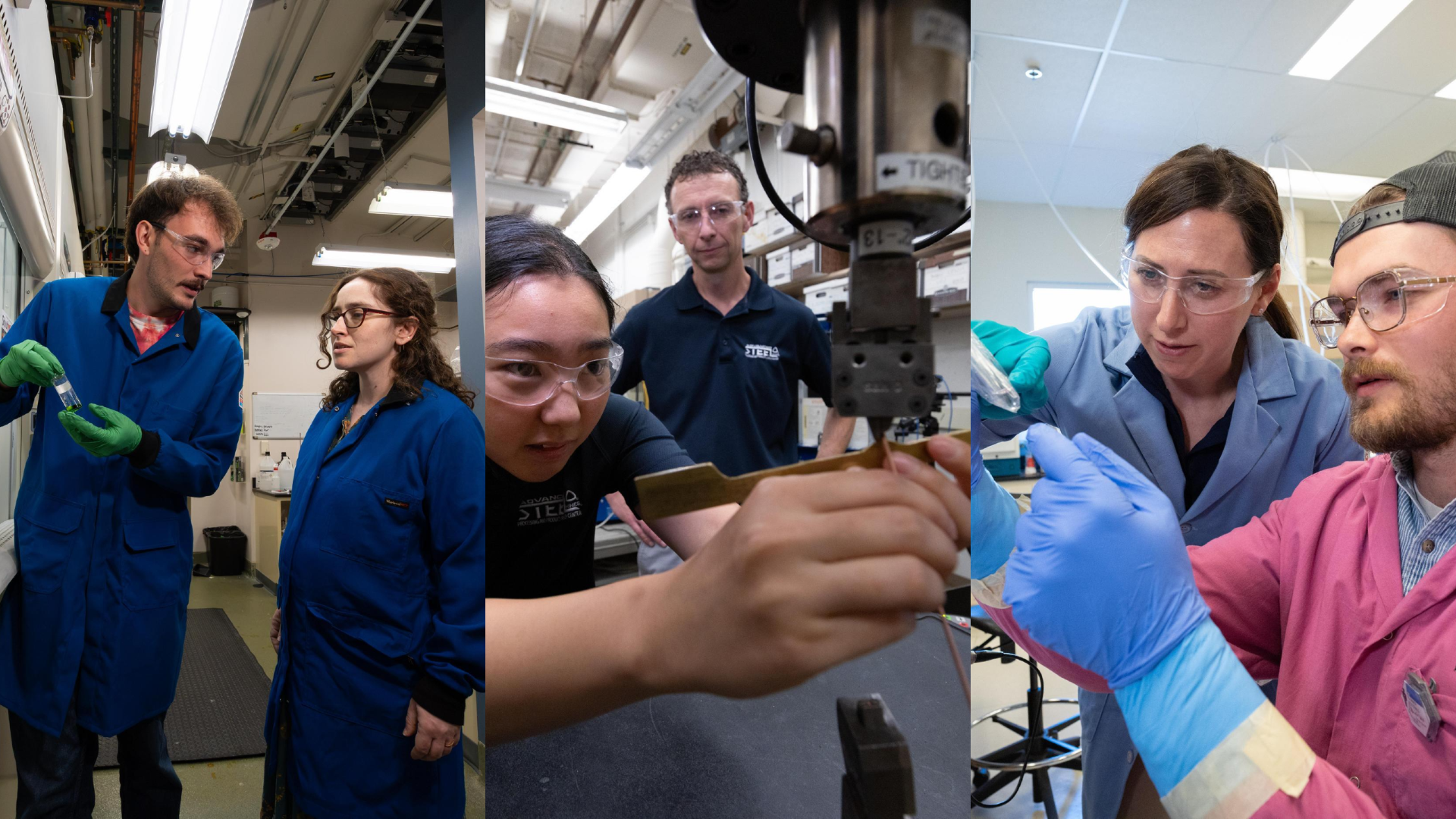
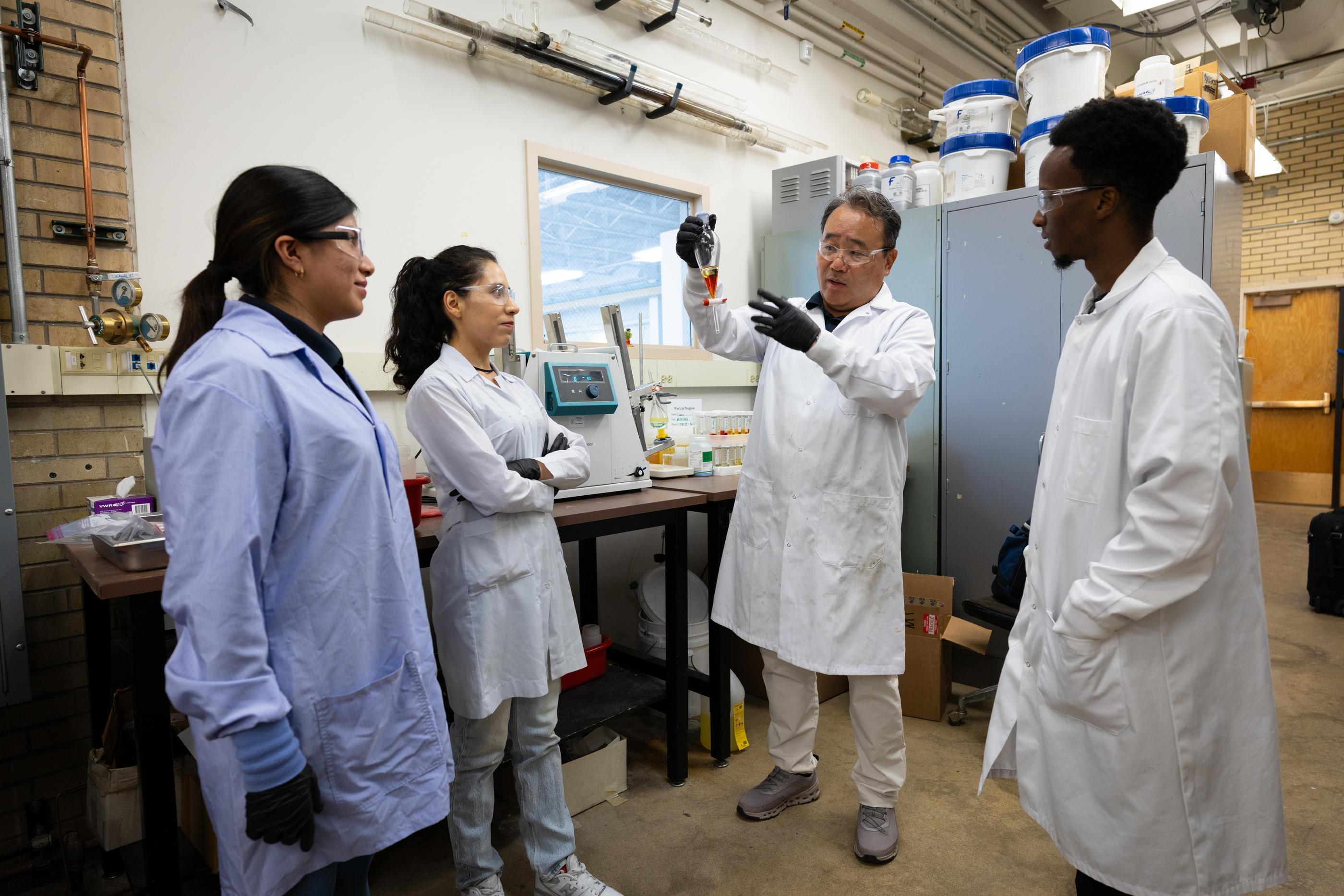
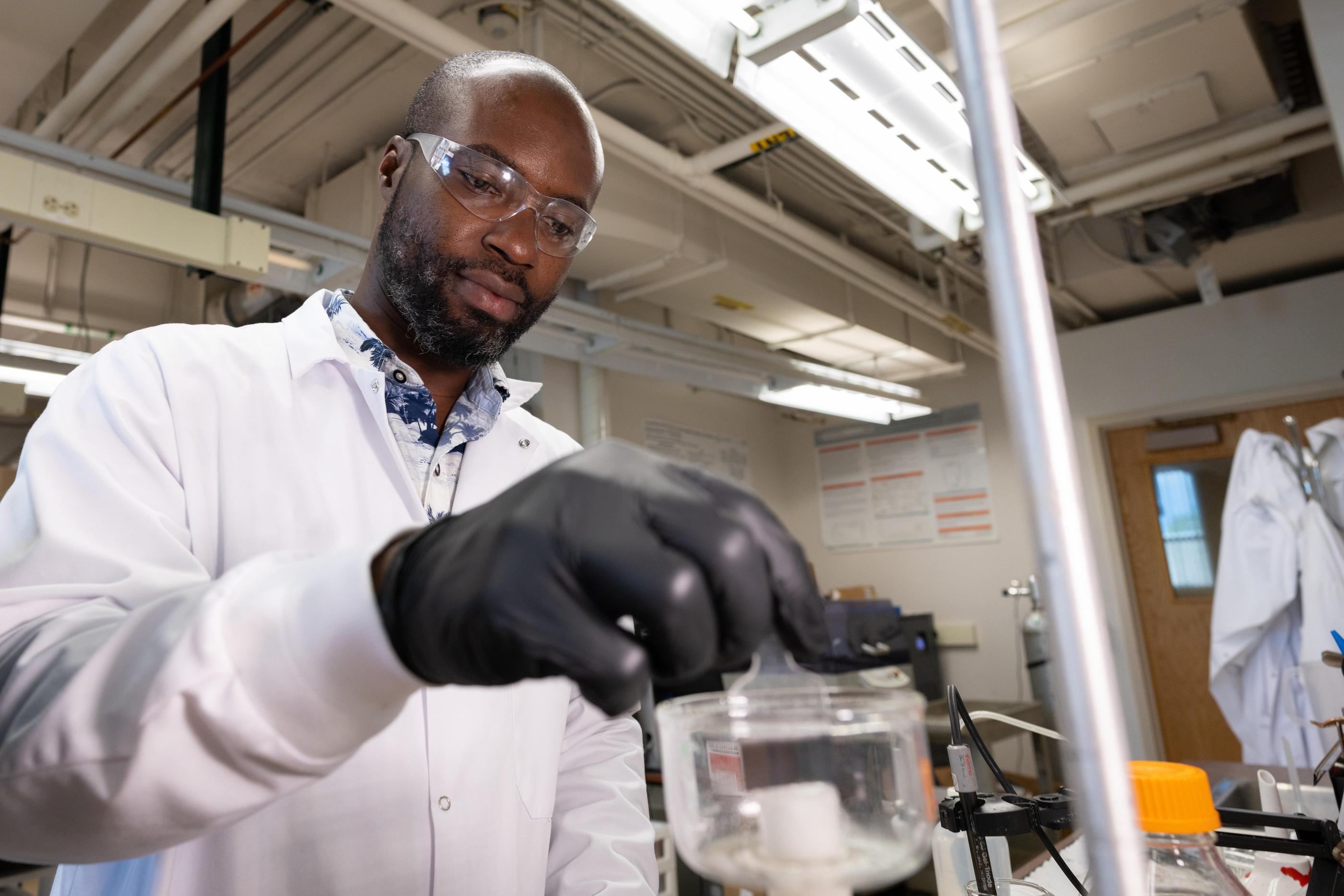
Recent government action and investment has reflected some of the priorities called for in the report, including partnering with Mines for workforce development and innovation as well as for targeted waste recovery projects.
The symposium continues to distinguish itself through active representation by domestic and international industry, academia, government, civil society and philanthropy that bring insight across the minerals landscape.
/filters:format(webp)/prod01/mines/media/minesedu/admin-media/placeholder-images/Guggenheim.png)
About Mines
Colorado School of Mines is a public R1 research university focused on applied science and engineering, producing the talent, knowledge and innovations to serve industry and benefit society – all to create a more prosperous future.