
Article content
As global temperatures are expected to cross 1.5 degrees Celsius above pre-industrial levels within the next few years, a new international report co-authored by a Colorado School of Mines professor outlines what it will take to limit the severity and duration of that overshoot — and eventually bring global temperatures back down.
The report, Limiting Overshoot, from the U.N. Environment Program (UNEP), recommends a path to minimize peak temperatures, return to 1.5°C or below as soon as possible, and reduce the vulnerability of communities and economies to impacts that cannot be avoided. It identifies rapid and sustained reductions in greenhouse gas emissions as essential, alongside adaptation measures and, ultimately, carbon dioxide removal.
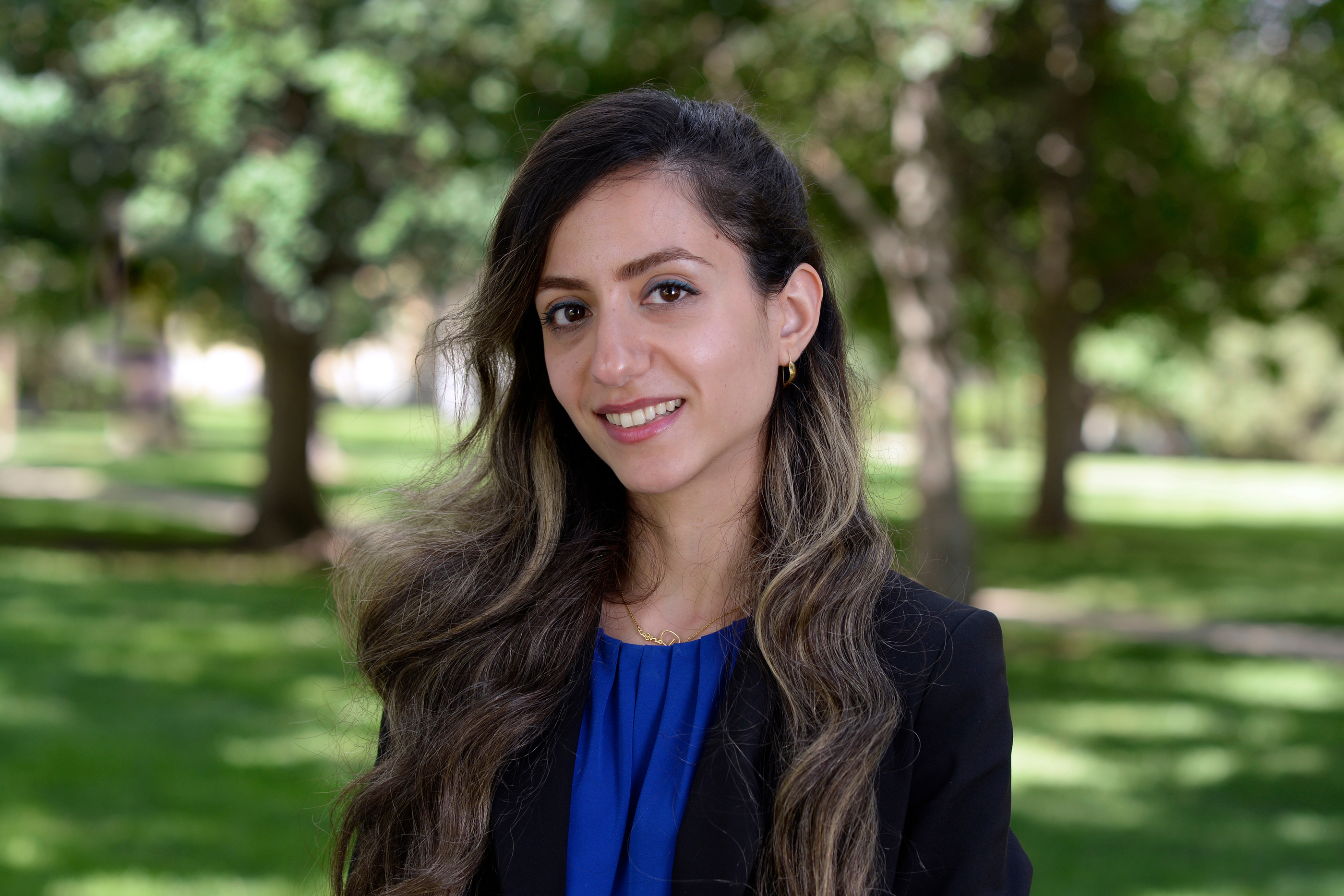
Adrienne Marshall, assistant professor of earth, space and planets, is a co-author of the report’s second chapter, Overshoot risks and impacts: Implications on human and environmental systems.

“Overshoot exposes our failure to adequately reduce emissions to date, as well as our opportunities to reduce emissions and ultimately cool towards a safer global temperature level,” Marshall said. “I hope that this report is sobering, clarifying, and also inspiring for scientists, policymakers and the global community broadly.”
The report emphasizes that every fraction of additional warming increases climate risks, including more intense extreme weather, ecosystem loss and severe impacts to human health, food security, water supplies, infrastructure and economies.
Marshall’s contribution to the report builds on her research on the impacts of climate on hydrology and water resources and adds to Mines’ broader work examining climate risks and their implications for communities and natural systems.
/filters:format(webp)/prod01/mines/media/minesedu/admin-media/placeholder-images/Guggenheim.png)
About Mines
Colorado School of Mines is a public R1 research university focused on applied science and engineering, producing the talent, knowledge and innovations to serve industry and benefit society – all to create a more prosperous future.
.jpg)