Article content
Colorado School of Mines hosted its inaugural nuclear energy symposium Nov. 11-12, considering the full nuclear energy ecosystem – including reactors, the nuclear fuel cycle, social license and workforce – required for successful nuclear development in the state.
Small Modular Reactors (SMRs) that produce between 50 and 300 megawatts and microreactors, which can produce up to 50 megawatts, were a particular focus due to their ability to provide reliable, low-carbon power.
SMRs are reactors with less power output than conventional, one-gigawatt reactors, such as the Westinghouse AP1000 in Georgia. Microreactors are advanced nuclear fission reactors that are assembled in factories, shipped to the selected site and installed modularly.
In Colorado, the Radiant Kaleidos 1MW microreactor has been selected to power mission critical operations at Buckley Space Force Base. It is poised to be the next operating nuclear power plant in North America, with power production anticipated in 2028.
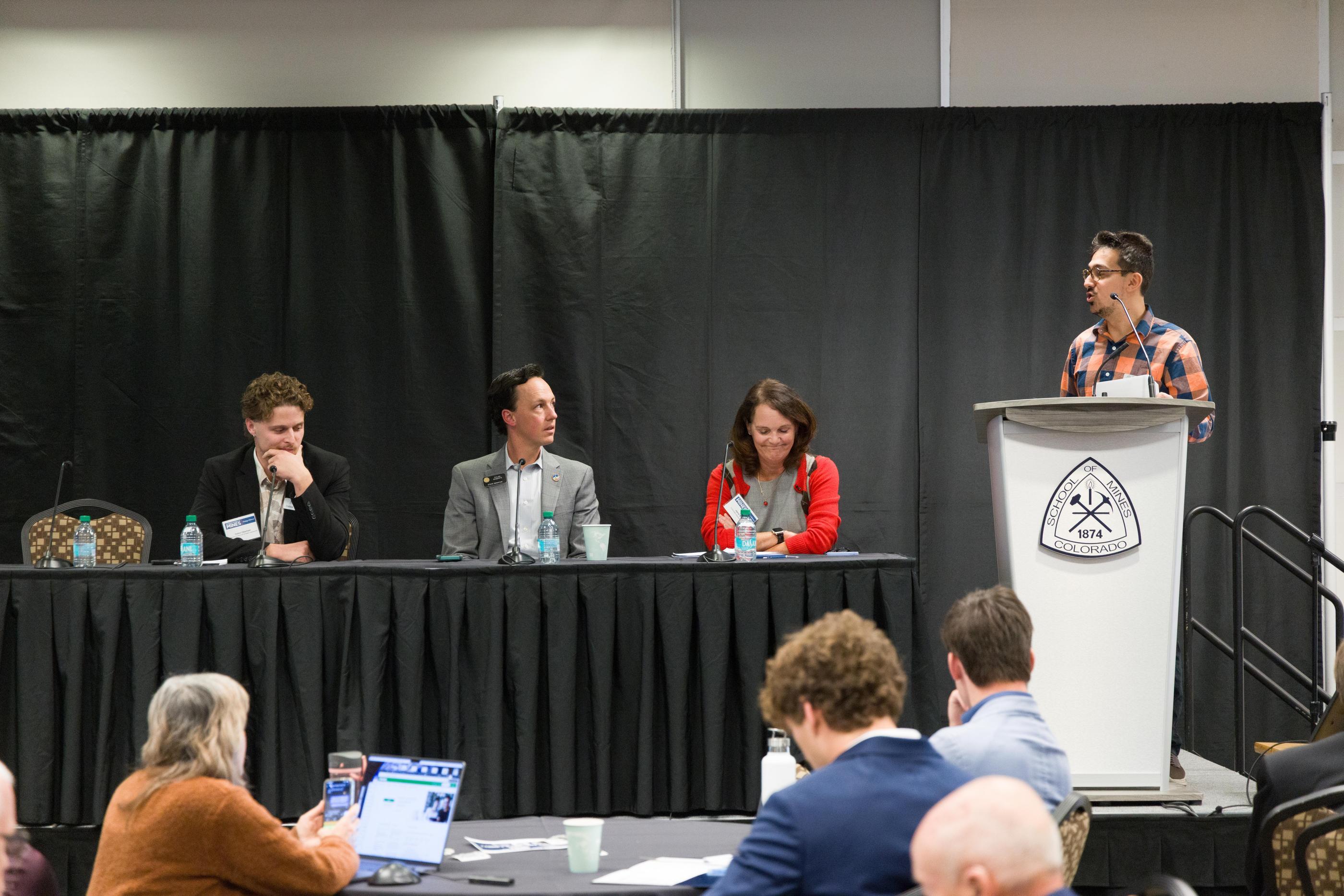
During the symposium, Colorado's Nuclear Future: Opportunities and National Considerations, SMRs were discussed during every session, but got the spotlight during a panel titled Small Reactors, Big Questions – Can SMRs Deliver?
The panel was moderated by Benjamin Elwood, board chair of the Colorado Nuclear Alliance, and included John Chaplin, senior director of energy at Crusoe; Abhinav Gupta, CEO of PowerN; Matthew S. Larson, partner at Wilkinson Barker Knauer, LLP; and Andrew Richards, vice president of government affairs at TerraPower.
Here are some key takeaways from the symposium on the buzzy nuclear technology:
1. Modular reactors can provide for a wide array of power needs.
SMRs can generate up to 300 megawatts, enough to power 300,000 homes. Even smaller microreactors generate less than 50 megawatts, enough for a small data center. Traditional nuclear reactors produce between 500 to 1,600 megawatts, enough for a medium-sized city or multiple data centers.
2. Texas is being viewed as a leader in the SMR arena.
A state nuclear office, the Texas Advanced Nuclear Energy Office, was created with $350 million in state funding in 2025. Several speakers urged Colorado to consider creating a similar state office.
3. All eyes are on a SMR being assembled in Wyoming.
TerraPower’s Natrium reactor being assembled as part of the Kemmerer Power Station in southwest Wyoming is viewed as a leader in the SMR arena in part because it has a head start on other planned SMRs. The company, founded and chaired by Microsoft founder Bill Gates, plans to eventually build a fleet of reactors like the one being built in Kemmerer. TerraPower has placed significant emphasis on being transparent with the rural community about the plant’s construction, which has won the company support with many residents.
4. Placing SMRs at decommissioned coal plants is gaining favor.
 Colorado State Sen. Dylan Roberts
The strategy of placing the reactors in former coal power plants is gaining ground nationally, noted Colorado State Sen. Dylan Roberts, the newly elected Senate Majority Leader who represents 10 counties in northwest Colorado. Much of the coal plant infrastructure, especially transmission lines, can be reused with SMRs, and many coal plant workers can also be employed at SMRs without significant retraining.
5. Additional nuclear capacity will strain uranium supplies and improve conditions for nuclear fuel recycling.
Uranium mining is going to need to ramp up considerably when planned nuclear reactors come online in future decades, several uranium officials warned. Declining stocks of uranium needed for defense purposes will further intensify the shortage. An approach of both increasing uranium mining and moving forward with nuclear fuel recycling would support increased interest in nuclear energy.

About Mines
Colorado School of Mines is a public R1 research university focused on applied science and engineering, producing the talent, knowledge and innovations to serve industry and benefit society – all to create a more prosperous future.