Article content
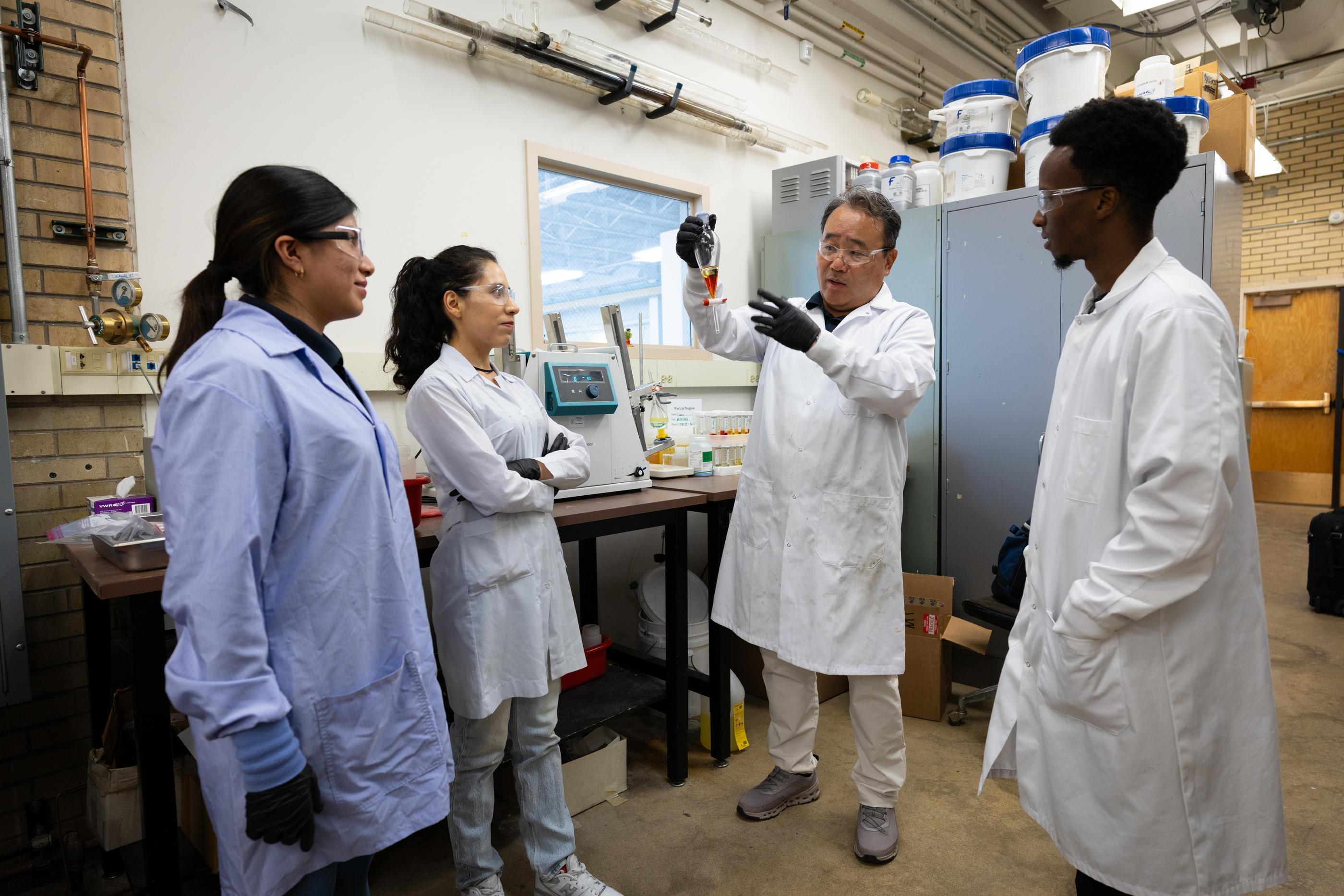
Getting more copper out of increasingly challenging ore deposits is one of the major technical challenges facing the mining industry. A team of researchers led by Jaeheon Lee, associate professor of minerals and subsurface energy at Colorado School of Mines, is working specifically on how to economically extract more copper from low-grade primary sulfide ores.
Lee and other researchers from Mines’ Kroll Institute for Extractive Metallurgy are part of a new $1.875 million project selected for funding through the U.S. Department of Energy’s Critical Materials Innovation Hub. The project will investigate new chemical and biological approaches for improving copper extraction from primary sulfide minerals, including chalcopyrite and enargite.
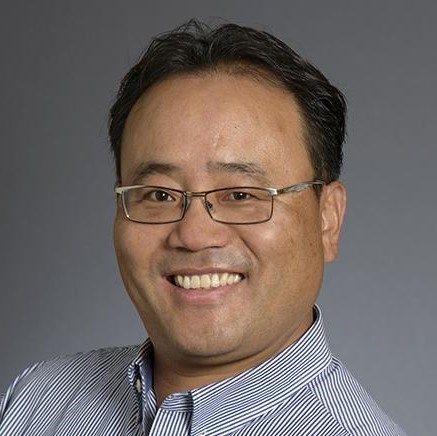 Jaeheon Lee
“Improving copper extraction from primary sulfides is a holy grail for metallurgists,” said Lee. “I’ve been investigating bioleaching mechanisms and processes for almost 20 years since I worked for Newmont. Our team is well organized to solve the problem using chemistry, metallurgy and advanced microbiology.”
Jaeheon Lee
“Improving copper extraction from primary sulfides is a holy grail for metallurgists,” said Lee. “I’ve been investigating bioleaching mechanisms and processes for almost 20 years since I worked for Newmont. Our team is well organized to solve the problem using chemistry, metallurgy and advanced microbiology.”
Copper is essential to electrical infrastructure, transportation and other modern technologies. Much of the world’s copper is found in sulfide minerals, but some of the most abundant primary copper sulfides are resistant to conventional leaching processes. Developing more effective ways to recover copper from these ores could help make lower-grade resources economically viable while improving the efficiency of existing operations.
The Mines research team will build on work conducted by the Kroll Institute into chemical stimulation, organic additives and oxidant systems that can improve the leaching of copper-bearing minerals. Researchers will test and optimize these approaches using benchtop and column leaching systems, with the goal of developing processes that could eventually be applied at industrial scale.
The project also will incorporate advances in microbiology. Idaho National Laboratory and industry partner 1849bio will play key roles in developing and testing new microorganisms for bioleaching, an approach that uses microorganisms to help extract metals from mineral ores.
The project brings together expertise from academia, government and industry. Michigan Technological University will assist with materials characterization, while Newmont Corporation will provide samples, characterization and technical support.
For Lee, the project builds on a research interest that began nearly two decades ago and brings together several areas of expertise needed to address a complex metallurgical problem.
“We are excited to work on this project together,” Lee said. “We also appreciate the support from CMI and DOE.”
The project is part of the Critical Materials Innovation Hub’s efforts to advance early-stage technologies that could strengthen domestic critical-material supply chains. DOE announced the selection of seven projects totaling $10 million in funding for research focused on improving the recovery and processing of critical materials.
/filters:format(webp)/prod01/mines/media/minesedu/admin-media/placeholder-images/Guggenheim.png)
About Mines
Colorado School of Mines is a public R1 research university focused on applied science and engineering, producing the talent, knowledge and innovations to serve industry and benefit society – all to create a more prosperous future.
.jpg)