.jpg)
Article content
A non-invasive treatment for skin cancer delivered in the clinic, often in one treatment. Sustainable concrete manufacturing that significantly reduces carbon emissions using biochar technology. Equipment that separates base oil from drill cuttings during oil extraction, saving companies thousands of dollars a day and reducing environmental waste. Wearable tech that converts nonverbal communication cues into haptic patterns for people with impaired vision, hearing or autism.
The companies behind these innovations — OncoPatch, ZeroTwelve, Austere Environmental and Hapware — have two things in common. They were founded by Colorado School of Mines faculty or alumni, and they're among the most recent recipients of investments from Mines Venture Fund II, the university’s seed-funding platform.
The venture fund invested $1 million in university-aligned tech startups in its first year and will invest a total of $10 million through 2029. It provides $25,000 to $250,000 in strategic capital for companies in sectors that align with Mines’ expertise, such as geology, critical minerals, mining, quantum, chemical engineering, energy, environment, medical and AI/technology sectors.
“People have been really excited to invest in the boldest ideas coming out of Mines through the venture fund,” said managing director Ed Messman. “Right now, we have about 30 limited partners, including the Mines Foundation, who have joined in the fun of unlocking these massive opportunities in the deep tech space. With the fund closing to new investors at year-end, there is still an opportunity to join the Mines Venture Fund and be part of what we’re building. ”
Mines researchers, students and alumni are tackling some of the hardest and most meaningful problems of our time, said Zack Bennett, Beck Venture Center executive director and Mines Venture Fund leader. He said the combination of early capital from Mines Venture Fund with hands-on support at the Beck Venture Center gives founders the fuel to build so much momentum that they can’t be stopped.
“We already have the scientific talent and entrepreneurial drive,” Bennett said. “Now we’re giving them everything they need to launch world-class companies right here on campus. They can access the funding, mentorship, and powerful industry connections they need to bridge the gap between a promising discovery and a company that can change the world.”
The university launched Mines Venture Fund I in 2024, which invested nearly $700,000 in four seed-stage companies. It established Mines Venture Fund II in Fall 2025 to incorporate $5 million in funding from the State of Colorado, including a commitment from the Colorado Venture Capital Authority, which makes investments in venture capital funds in support of Colorado startups.
A portion of Mines Venture Fund II profits will be reinvested in the university, creating a permanent capital loop. That means every successful startup helps support the next wave of innovative companies.
For more information about investing in Mines Venture Fund II, contact Ed Messman.
Meet the Mines Venture Fund II companies
OncoPatch, Inc.
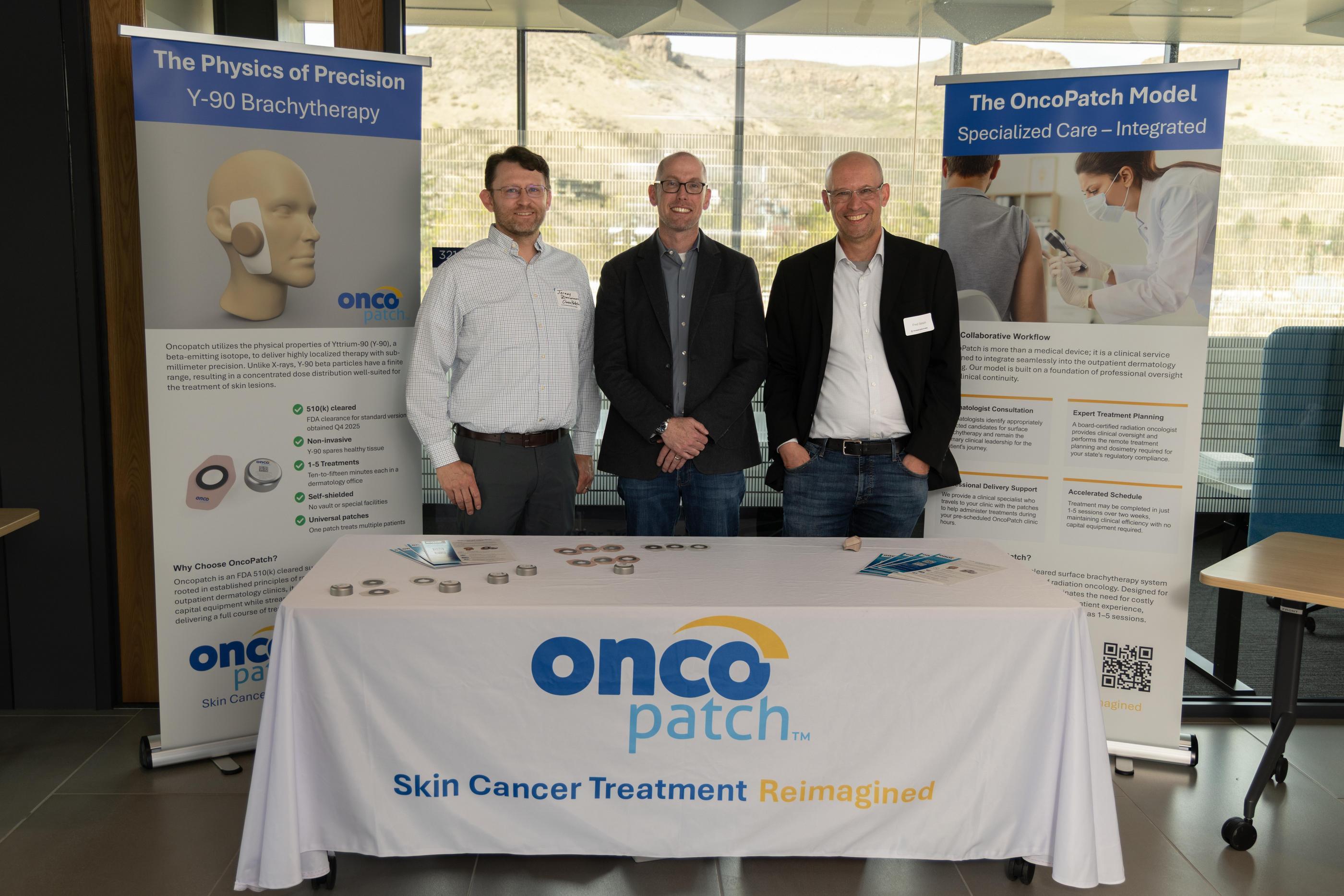 OncoPatch, Inc., founded by Mines Physics Professors Fred Sarazin and Jeramy Zimmerman and CU Anschutz radiation oncology faculty David Westerly and Quentin Diot, developed a new, non-invasive way to treat non-melanoma skin cancer in the clinic. The OncoPatch medical device delivers low-energy beta radiation directly to a lesion, sometimes requiring a single treatment, in contrast to surgical procedures that affect surrounding and deep tissue, often requiring reconstruction. In March 2026, OncoPatch received FDA clearance and the company began working with clinical pilot sites in Colorado. The company received a $250,000 investment from Mines Venture Fund II.
ZeroTwelve
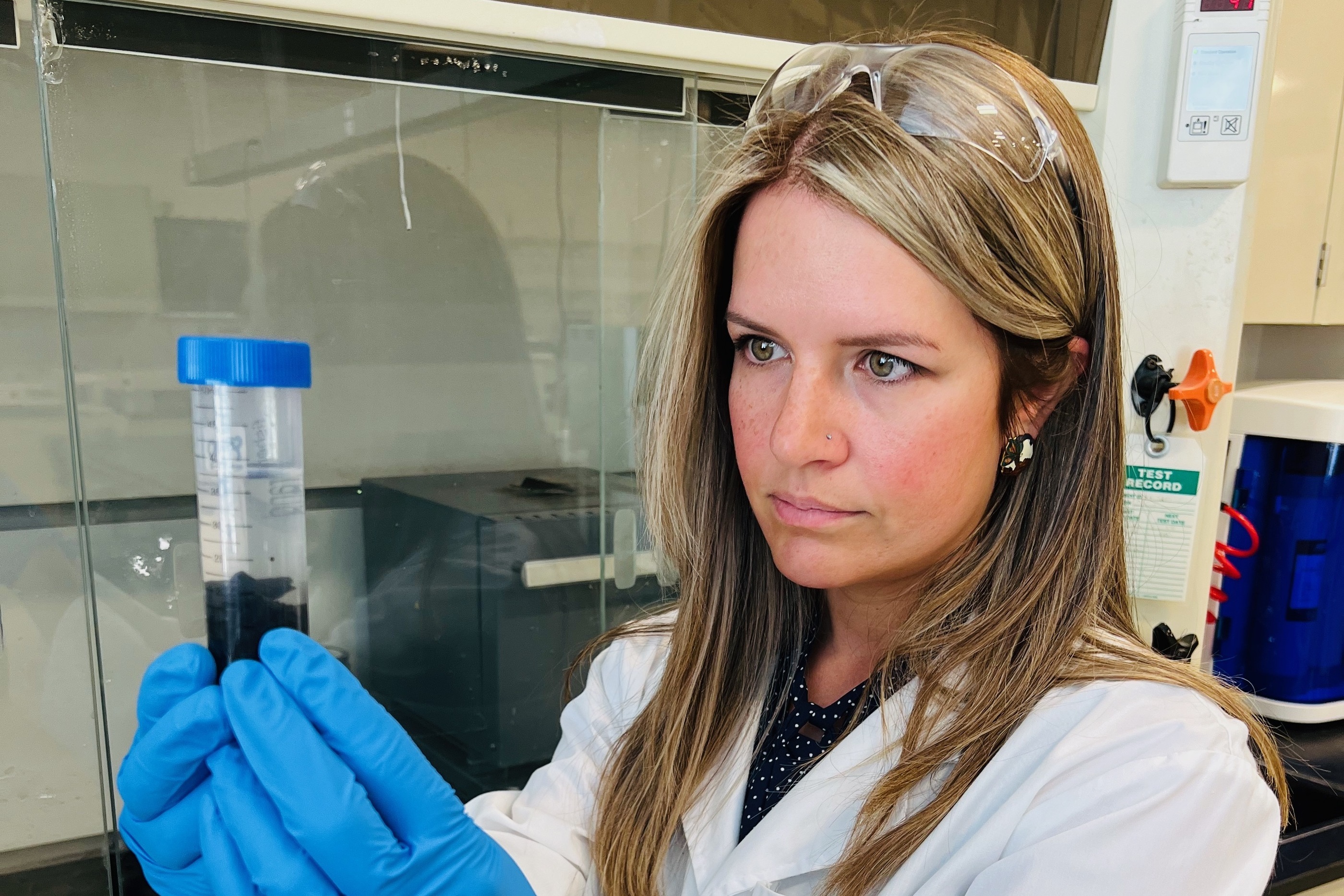 Concrete production is responsible for 8 percent of all global carbon dioxide emissions — equal to emissions from every vehicle on the planet. Lori Tunstall, associate professor of civil and environmental engineering, developed a cement replacement material that uses biochar to lock away CO2, decreasing emissions while making the material stronger and longer-lasting. In 2025, she founded ZeroTwelve to bring her invention to market, joined by Howard Janzen ’76, MS ’77 as CEO. This summer, the company completed its first municipal pilot project with the City of Golden. The company received a $250,000 investment from Mines Venture Fund II.
Austere Environmental
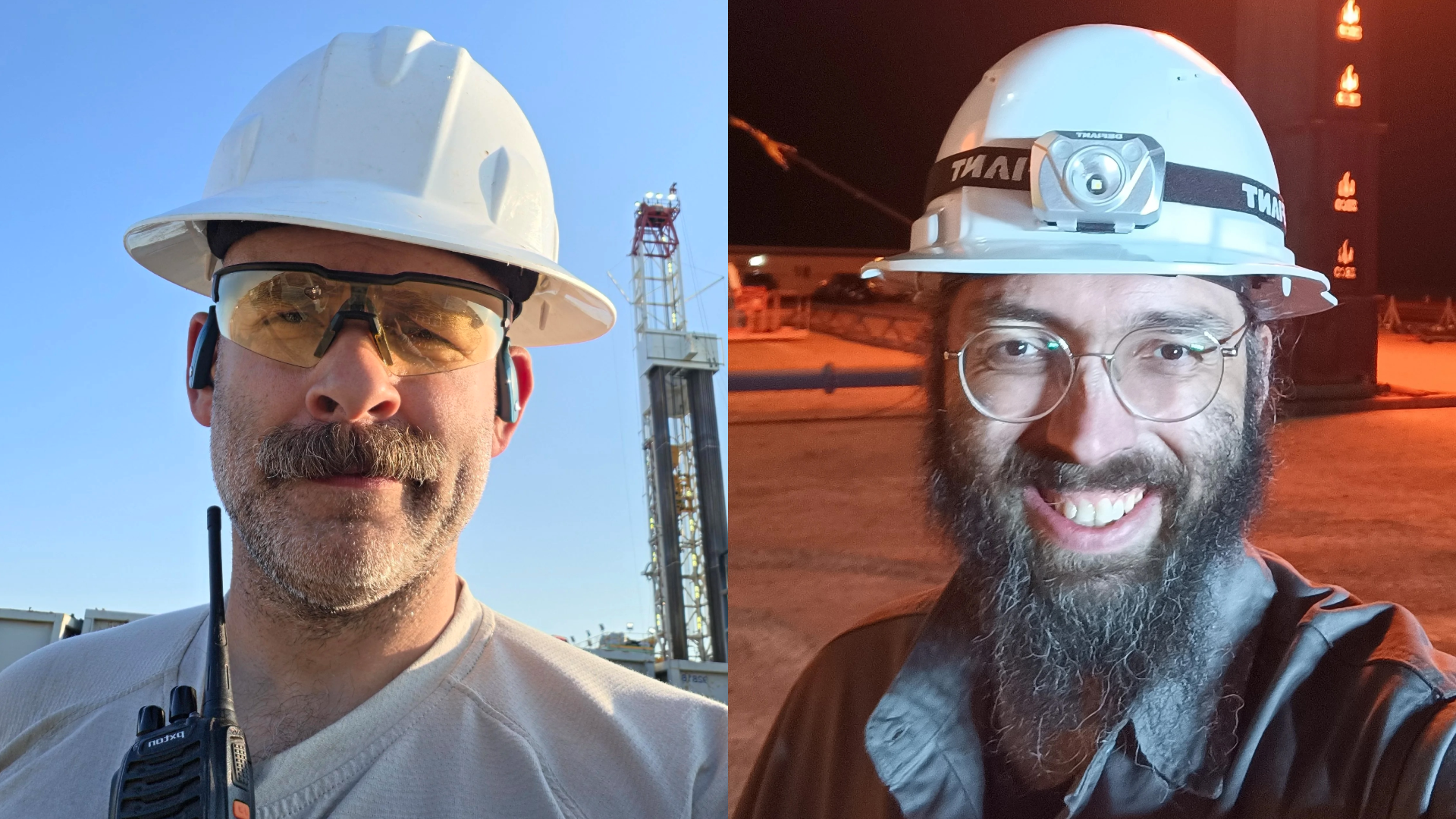 Curtis Purrington MS ‘20, PhD ‘22 and Ben Thrift MS ‘21, PhD ’24, cofounders of Austere Environmental, developed equipment during their Space Resources doctoral research to extract water from large quantities of icy lunar soil, providing water and oxygen for astronaut life support and rocket propellant. The company took third place in the 2021 NASA Break the Ice Lunar Challenge. Today, Austere is leveraging their innovation in the oil field, using it to separate base oil and water from the drill cuttings produced in drilling—material that is normally discarded in a landfill—lowering operating costs and environmental impact. The company received a $250,000 investment from Mines Venture Fund II.
HapWare
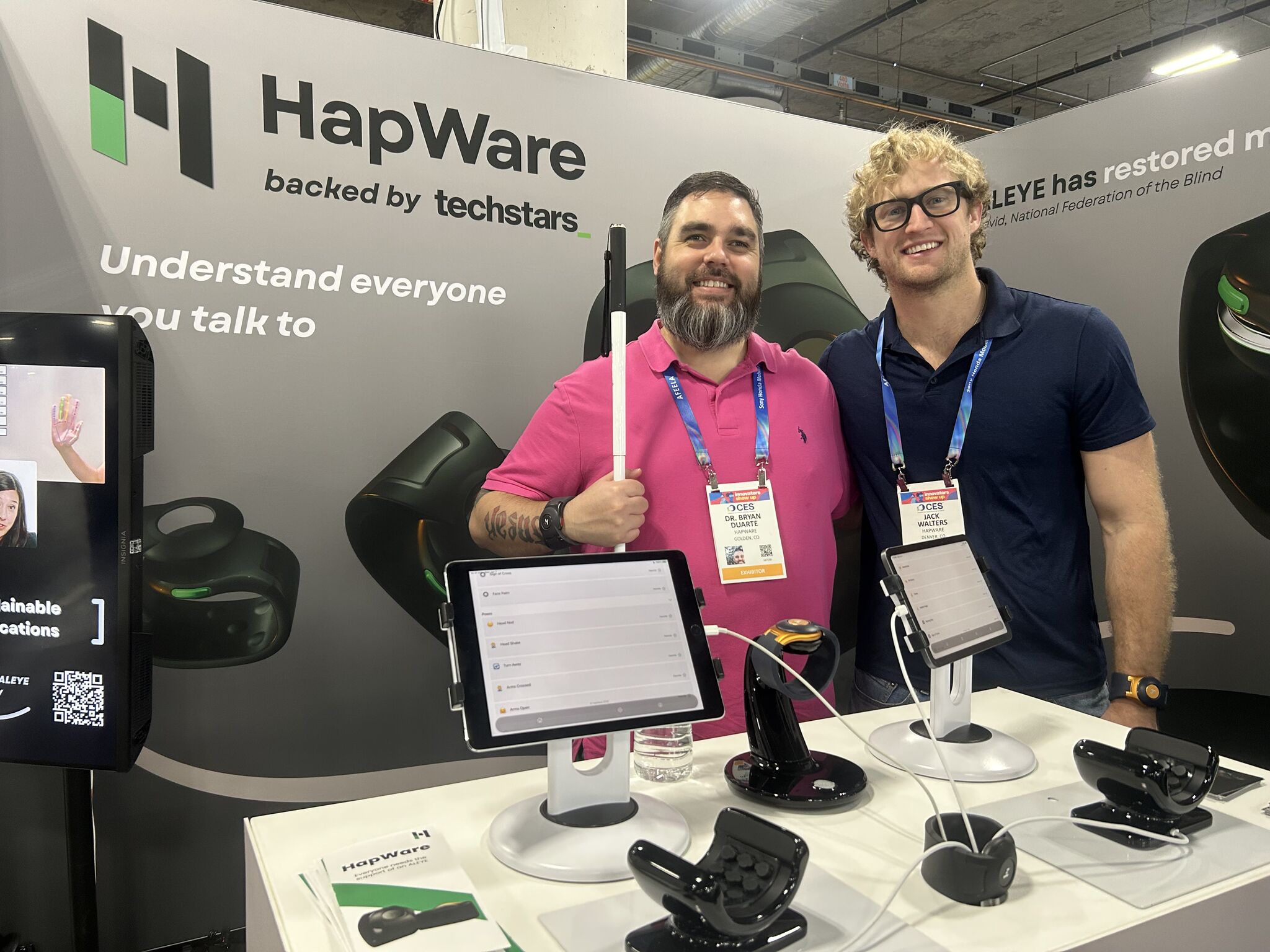 Jack Walters ’23, MS ’24 and haptic researcher Bryan Duarte founded HapWare in 2025 based on a wearable tech product they developed when Duarte was the client for Walters’ Capstone Design Team. Duarte, who is blind, wanted to find an application for the dynamic haptic technology he invented, which conveys information through touch. Their work became ALEYE, which pairs smart glasses with a haptic wristband to convey nonverbal communication to people who are blind, low vision, deafblind or autistic. In 2026, HapWare won the Health Innovation Challenge at CES, the world’s largest consumer technology show. The company aims to ship product at the end of 2026. HapWare received a $250,000 investment from Mines Venture Fund II.
/filters:format(webp)/prod01/mines/media/minesedu/admin-media/placeholder-images/Guggenheim.png)
About Mines
Colorado School of Mines is a public R1 research university focused on applied science and engineering, producing the talent, knowledge and innovations to serve industry and benefit society – all to create a more prosperous future.