Article content
Three Colorado School of Mines faculty members were recently named 2026 Engineering Unleashed Fellows.
The national recognition honors university faculty and staff for innovative education practices aimed at preparing engineering graduates to identify opportunities for creating positive economic, societal and personal value throughout their lives.
The three 2026 Mines fellows are:
- Adam Duran, teaching assistant professor of mechanical engineering
- Laura Carroll, research associate professor of metallurgical and materials engineering
- Sheron Lawson, teaching associate professor of economics and business
A total of 30 faculty across the U.S. received the honor this year, which is awarded as part of the Engineering Unleashed Faculty Development workshop initiative. Each year, more than 600 engineering and STEM faculty attend these workshops which are connected to advancing entrepreneurial mindset within undergraduate engineering. As part of the workshop, participants identify potential projects and hone their ideas with coaches for up to one year, after which select faculty are nominated and named Engineering Unleashed Fellows.
“Having three Mines faculty members selected for this year’s cohort reflects our strong presence within the Engineering Unleashed community and our growing leadership in advancing innovative undergraduate engineering education,” said Jack Brindgardner, Ben L. Fryrear Chair for Innovation and Excellence at Mines. “Sheron, Adam and Laura are ambassadors of excellence for Mines, and I’m excited to see how the funding from the Kern Family Foundation that accompanies the fellowship will allow them to grow the impact of their projects.”
Adam Duran: Fail Faster, Build Better
 Great engineers don't just build things – they build things that can be proven to work. A core faculty member of Mines’ Automotive Engineering track, Duran is developing an interactive class activity that explores how to think like both a designer and a test engineer, and how AI can accelerate, or mislead, that thinking.
Students use generative AI to create and refine test plans aligned with user-defined requirements, supporting rapid iteration and verification in prototyping. The activity scaffolds from a common household example like an electric toaster to student team projects, using AI as an additional team member. Students learn to critically evaluate AI-generated outputs, prompt strategically and defend engineering decisions, developing curiosity, systems connections and value-creation mindset.
Laura Carroll: What are the implications?
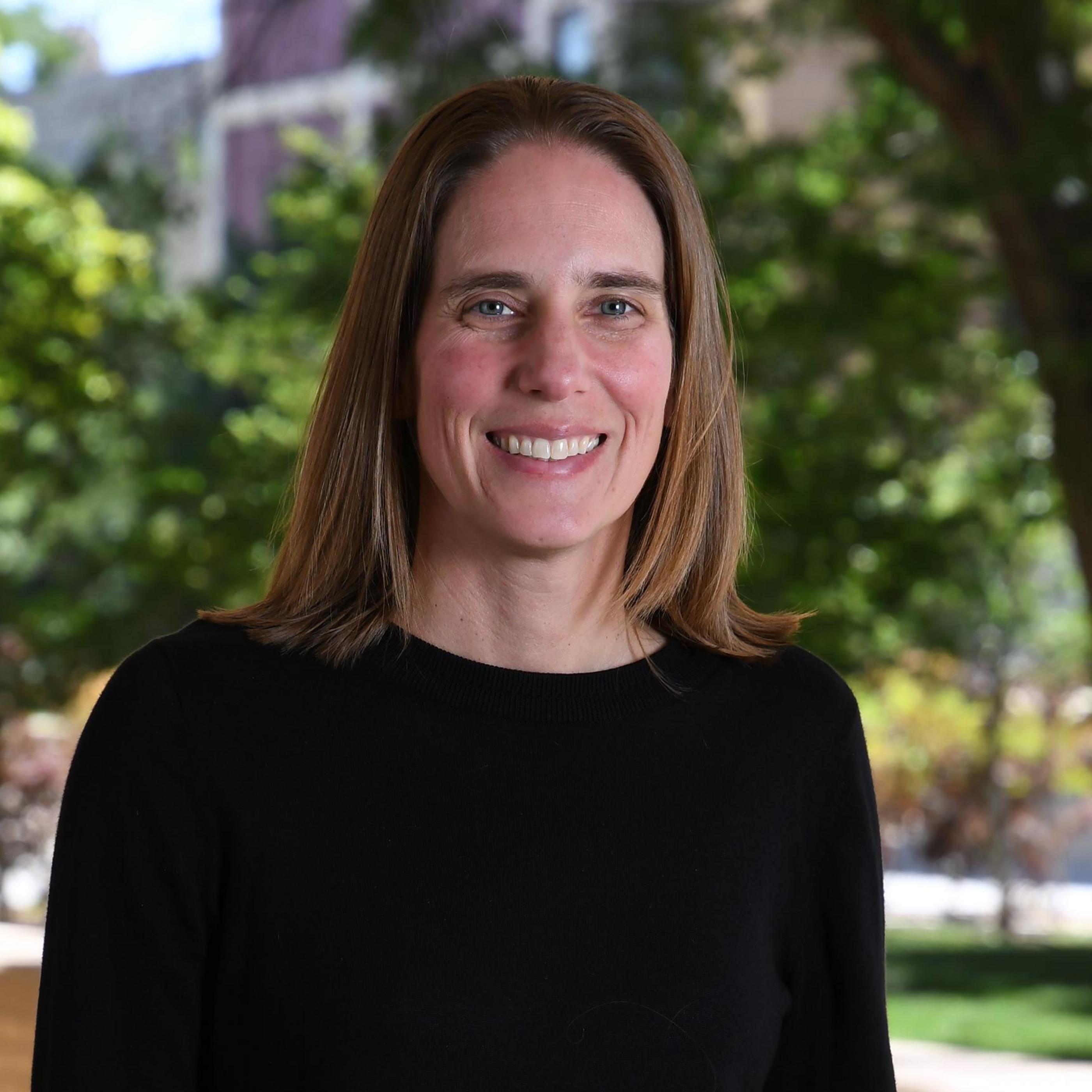 In Carroll’s project, case studies of material failures are used to introduce fundamental materials engineering concepts and the Habits of Entrepreneurial Mindset (EM). The project expands a single case study of an aeroengine fan blade failure introducing fatigue deformation and the critical role of implications thinking in engineering decisions. Students practice implications thinking to explore how material fatigue failures in various applications could affect human safety, the environment and more.
Carroll will build additional case studies into an engineering materials course, including the Challenger to introduce the glass transition temperature; the Mohave Power Station failure to introduce creep deformation; and the BP Texas City Refinery fire to introduce diffusion. Accompanying activities will provide students with multiple opportunities to practice EM habits of mind, including implications thinking, strategic thinking and systems thinking.
Sheron Lawson: From Question to Value
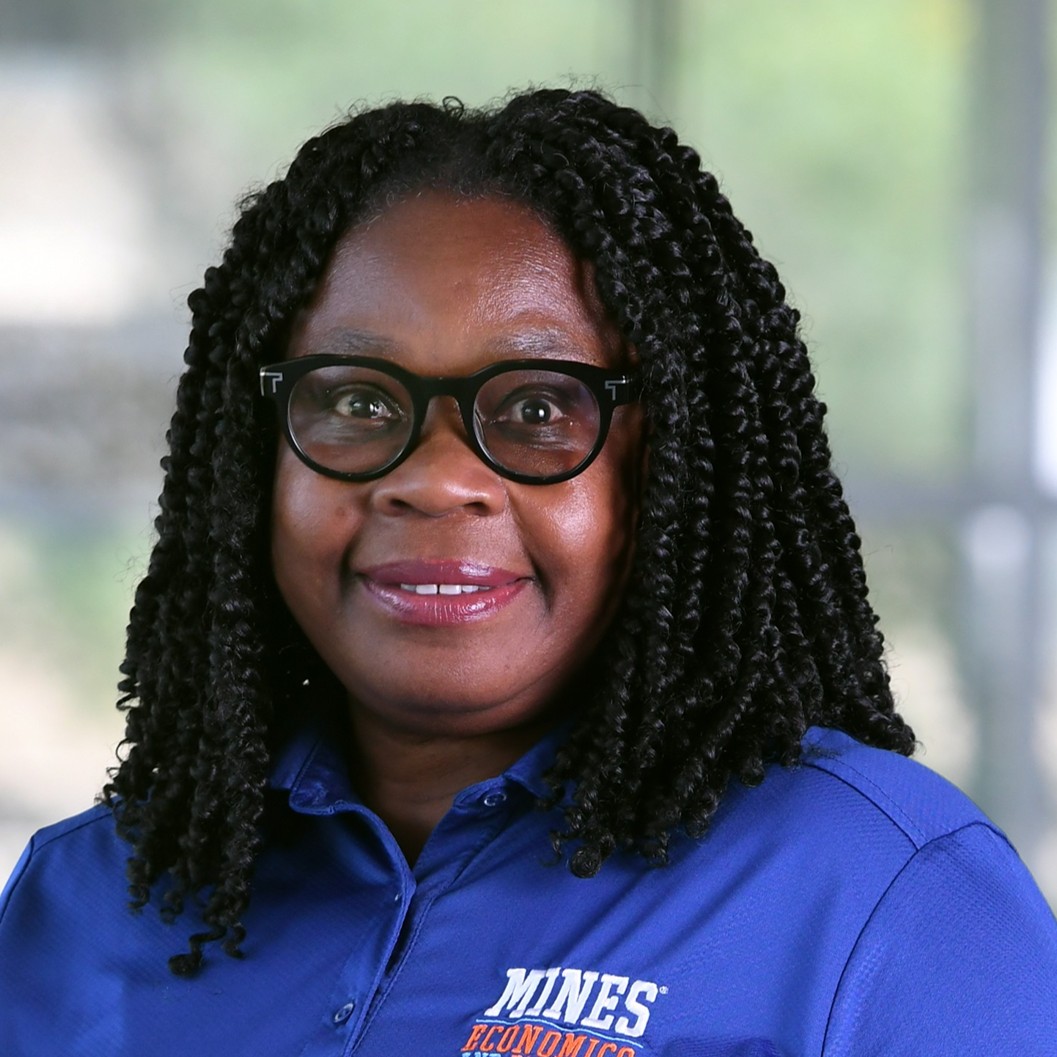 Lawson’s project is an immersive, four-week course that equips students to transform curiosity into meaningful action. Through real-world cases, collaborative simulations, and practical tools—including Question Burst and Assumption Mapping—students learn to challenge assumptions, identify unmet needs, recognize opportunities, and develop creative, value-driven solutions.
Grounded in the KEEN Framework, which uses the 3Cs of curiosity, connections, and creating value to define the entrepreneurial mindset, this fast-paced seminar helps students think like innovators, collaborate across perspectives, and approach complex problems with greater confidence and purpose. More than a short-term learning experience, the course provides a scalable model for preparing students to create value for communities, organizations, and society. To expand the project’s reach and sustainability, Lawson will also develop faculty training materials that equip instructors to integrate the Entrepreneurial Mindset into their own courses.
Building momentum across Mines
The three fellows are part of a much larger effort underway at Mines to make entrepreneurial mindset, character building and innovation through experience increasingly integral to the undergraduate engineering experience at Mines and elsewhere. Through its growing partnership with the Kern Entrepreneurial Engineering Network (KEEN), a partnership of 69 colleges and universities dedicated to graduating engineers with an entrepreneurial mindset so they can create personal, economic, and societal value through a lifetime of meaningful work, Mines is bringing faculty together in departmental cohorts to redesign curricula, connect learning across courses and create sustained pathways for students to develop these capabilities throughout their education.
That work is engaging educators across departments and programs and moving beyond individual courses toward coordinated, institution-wide impact. Duran, Carroll and Lawson are among the faculty and staff helping lead that growth, developing approaches that can be shared, adapted and scaled through the Engineering Unleashed community platform while supporting their colleagues in advancing instructional innovation.
/filters:format(webp)/prod01/mines/media/minesedu/admin-media/placeholder-images/Guggenheim.png)
About Mines
Colorado School of Mines is a public R1 research university focused on applied science and engineering, producing the talent, knowledge and innovations to serve industry and benefit society – all to create a more prosperous future.