Article content
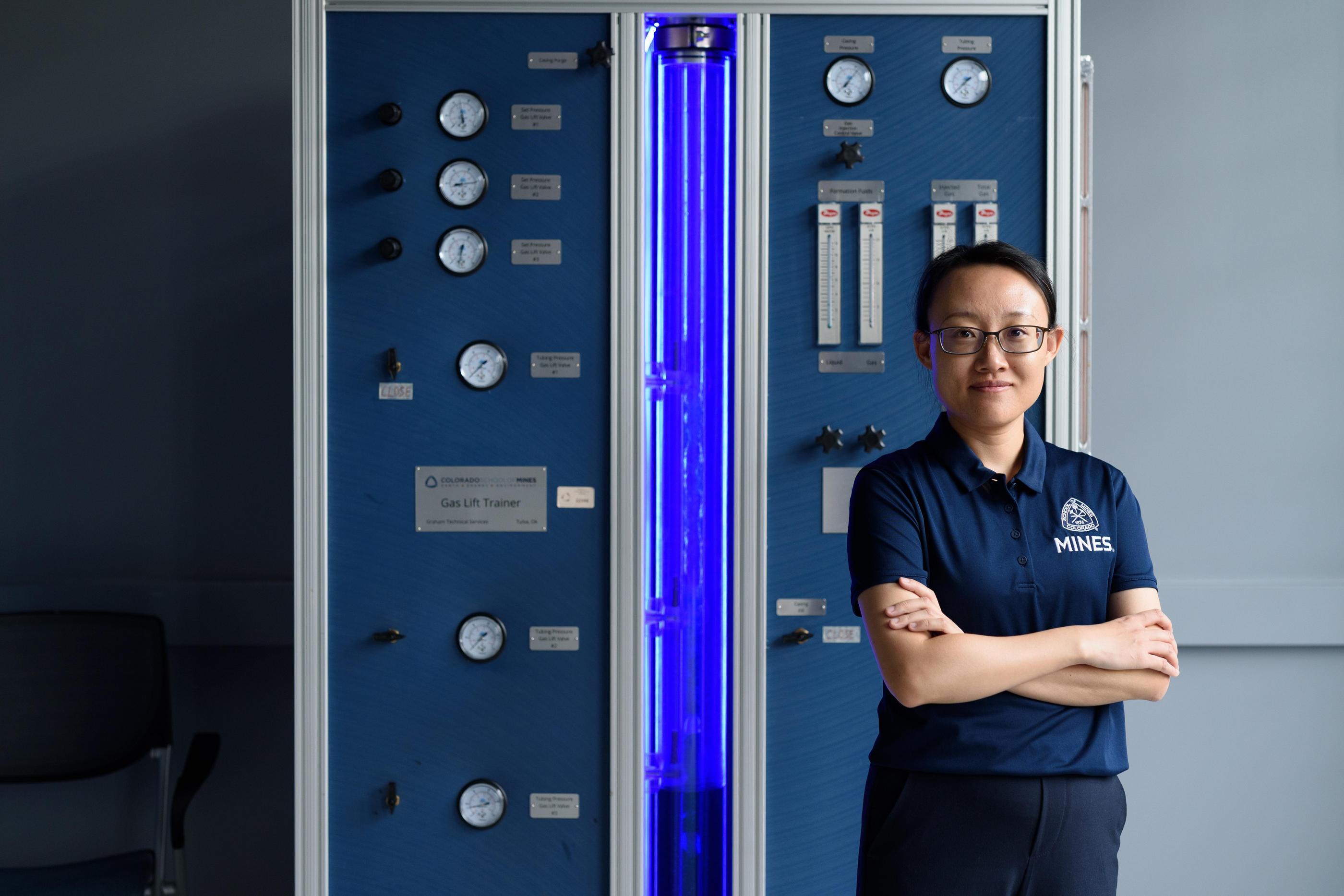
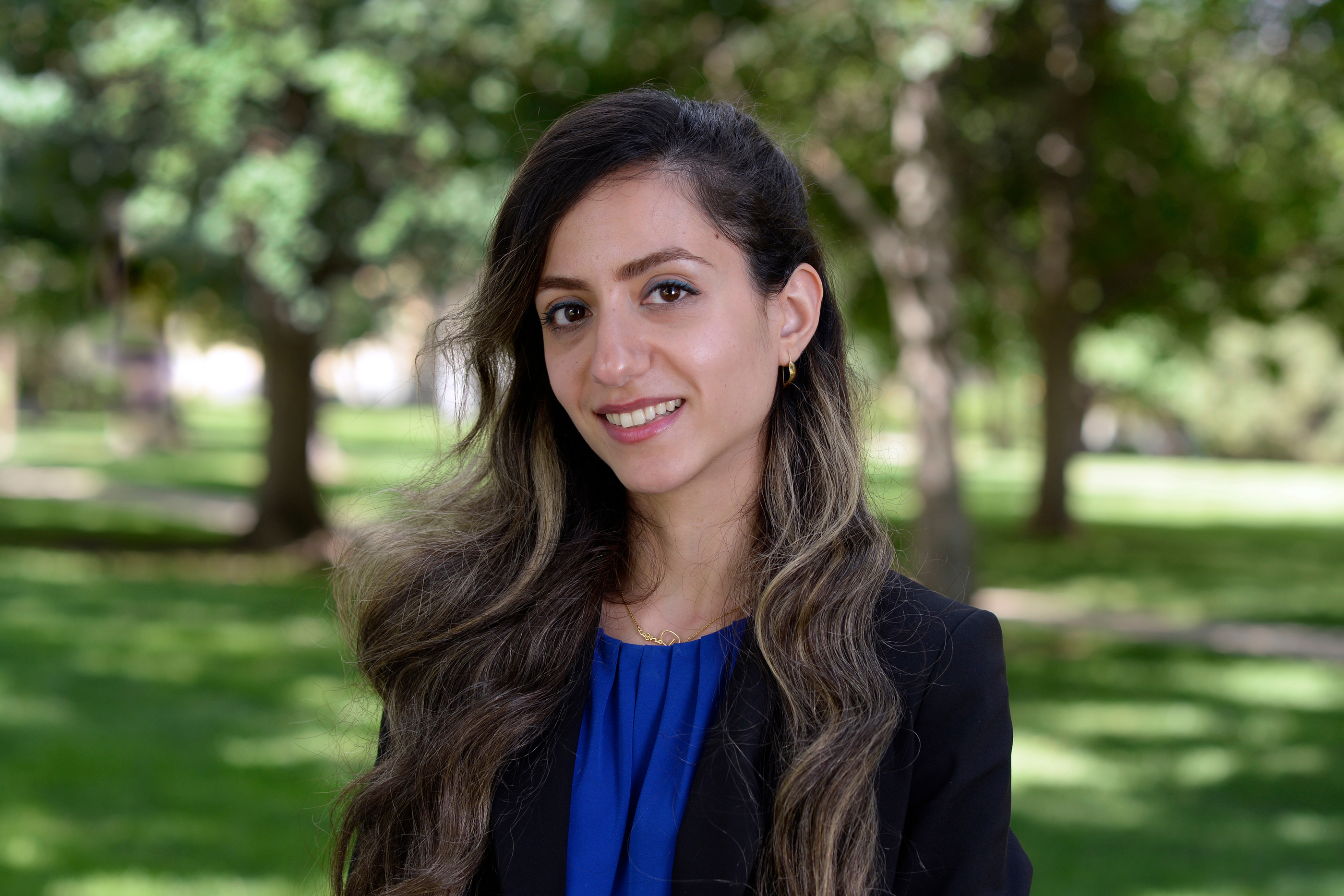
Parisa Bazazi, assistant professor of minerals and subsurface energy at Colorado School of Mines, has been awarded funding through the U.S. Department of Energy’s Early Career Research Program for work that could lead to new approaches to critical mineral extraction.
Currently, fluids carrying valuable minerals like lithium, rare earth elements and nickel are often trapped within complex networks of fractured rocks underground, all but inaccessible through conventional extraction mechanisms.
An expert in fluid dynamics and interfacial science, the phenomena that occur at the boundary between two phases of matter, Bazazi and her team will use a combination of microfluidic fracture models, advanced optical imaging and predictive transport modeling with the goal of better understanding the forces that govern critical mineral transport through those tiny fractures in rock.
Here, Bazazi answers a few questions about her project and how this fundamental science work could improve recovery from U.S. critical mineral resources.
Q: What do you find most exciting about this research?
Parisa Bazazi: What excites me most is the opportunity to explore a new way of improving how we recover critical minerals from underground resources. These minerals are essential for many technologies we use every day, including batteries, electronics, and clean energy systems. Our research will investigate how extremely small gas bubbles, called nanobubbles, can influence the movement of fluids and minerals through tiny fractures in rocks. We hope to uncover some fundamental mechanisms that could eventually lead to more efficient mineral recovery.
Q: What is the potential impact of this work?
Bazazi: The United States has significant underground resources that could potentially contribute to the domestic supply of critical minerals. However, recovering these minerals efficiently and sustainably remains a major challenge. By better understanding how minerals move through fractured rocks and how we can control that movement, this research could help develop new approaches to mineral extraction that use fewer chemicals, less water, and less energy. Beyond critical minerals, the findings could also benefit other subsurface energy applications, including geothermal energy and underground energy storage.
Q: How does this research agenda inform your teaching?
Bazazi: My research and teaching are closely connected. In my courses, I try to connect fundamental engineering concepts to real-world energy challenges. This project provides an opportunity to introduce students to emerging research in critical minerals, fluid transport, and sustainable subsurface technologies. I also look forward to involving undergraduate and graduate students in the research, giving them hands-on experience with experimental techniques and the opportunity to work on problems that have important implications for the future of energy.
/filters:format(webp)/prod01/mines/media/minesedu/admin-media/placeholder-images/Guggenheim.png)
About Mines
Colorado School of Mines is a public R1 research university focused on applied science and engineering, producing the talent, knowledge and innovations to serve industry and benefit society – all to create a more prosperous future.
.jpg)